
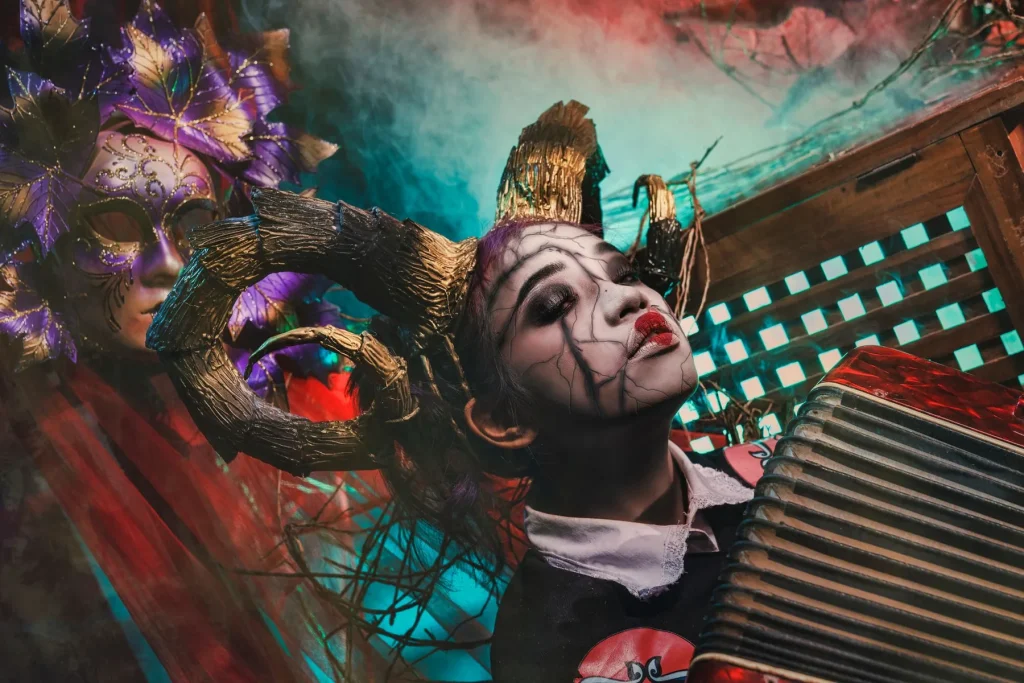
The accordion has always occupied a unique place in the world of jazz. This versatile and often underestimated instrument offers fascinating possibilities for exploration and improvisation. In this article, we will look at the history of the accordion in jazz and discover how it has transformed the genre, along with the composers who have contributed to its development.
Despite its importance, the accordion is often overlooked in jazz history. Yet many accordionists have pushed the boundaries of their instrument and helped shape the sound of jazz. The Régis Huiban Quartet, for example, skillfully blends accordion and improvisation in compositions inspired by Breton music. Émilie Škrijelj, meanwhile, uses her accordion as a sound generator and experiments with abstract soundscapes by combining it with electronic elements. These musicians show just how versatile and innovative the accordion can be.
By exploring the different techniques accordionists use, we will discover how they push the limits of their instrument. Collaborations with other musicians, such as drummers and percussionists, also make it possible to explore new settings for improvisation and further enrich the sound of jazz.
The accordion in jazz has a rich and varied history. Leading figures such as Richard Galliano and Jo Privat have helped bring it recognition by incorporating it into their compositions. Their work has influenced the development of jazz and opened up new musical possibilities.
In this article, we will take a closer look at the accordion in jazz and highlight its possibilities for exploration and improvisation. Get ready to enter the unique world of this instrument and discover its endless potential.
The accordion in jazz: an often underestimated instrument
The accordion has played a crucial role in the development of jazz, but it is often underestimated. Its distinctive sound and ability to create a range of moods make it a versatile and expressive instrument. Unfortunately, its role in jazz is sometimes overshadowed by its stronger association with other genres, such as folk and traditional music.
Many accordionists, however, have helped push the instrument’s boundaries in jazz. French musician Régis Huiban, for example, uses the accordion to explore new sounds and bring elements of his Breton heritage into his compositions. His command of improvisation lets him create rich musical conversations with the other members of his quartet, giving listeners a distinctive musical experience.
Another accordionist pushing the boundaries of jazz is Émilie Škrijelj. She uses her instrument as a sound generator and experiments with extended techniques and abstract structures. Working with sound designer Armand Lesecq, she creates unusual soundscapes by combining the accordion with electronics. Her skill with scratching and turntables adds another dimension to her playing and expands the accordion’s possibilities in jazz.
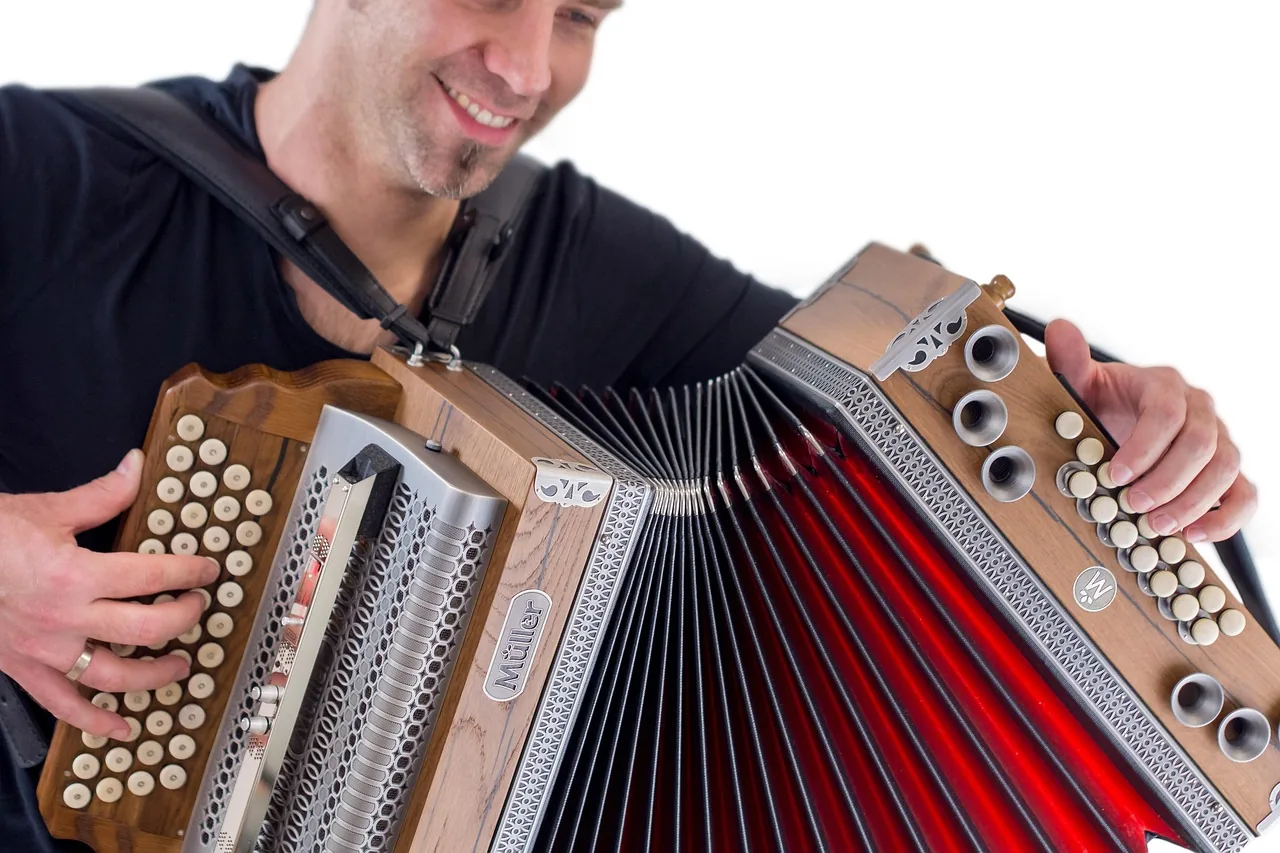
Today’s accordionists do more than perform solo. They also seek out collaborations with other musicians to explore new settings for improvisation. Working with drummers, percussionists and sound designers, they create inventive and original musical experiences.
| Accordionist | Playing style | Collaborators |
|---|---|---|
| Régis Huiban | Exploration of Breton sounds | Régis Huiban Quartet |
| Émilie Škrijelj | Sound and electronic experimentation | Armand Lesecq, Tom Malmendier, Lê Quan Ninh |
The accordion in jazz therefore deserves greater recognition. Thanks to talented musicians who continually push the boundaries of their playing, this instrument offers fascinating possibilities for exploration and improvisation. By broadening our understanding of jazz, we deepen our appreciation of music and open ourselves to new listening experiences.
Exploration and improvisation in jazz accordion
The accordion in jazz is often underestimated, but it offers exciting possibilities for exploration and improvisation. Many accordionists follow this path, pushing the limits of their instrument to create new sounds and rethink jazz conventions.
One notable example is Régis Huiban of the Régis Huiban Quartet, who blends accordion and improvisation in his Breton-inspired compositions. Using inventive techniques such as complex harmonies and syncopated rhythms, Huiban pushes beyond the boundaries of traditional jazz and explores new musical territory.
Another distinctive accordionist is Émilie Škrijelj, who uses her instrument as a sound generator. By incorporating electronics into her accordion playing, she creates abstract soundscapes and experiments with unusual textures. Her collaboration with sound designer Armand Lesecq is essential to this work and allows them to explore new musical dimensions.
| Accordionist | Musical style |
|---|---|
| Régis Huiban | Breton-inspired jazz |
| Émilie Škrijelj | Sound exploration and electronic experimentation |
These musicians do more than play alone: they also explore other settings for improvisation by collaborating with fellow artists. For example, Émilie Škrijelj works with drummer Tom Malmendier and percussionist Lê Quan Ninh, who bring a distinctive rhythmic dimension to her performances. These collaborations further extend the accordion’s boundaries in jazz and open up new musical paths.
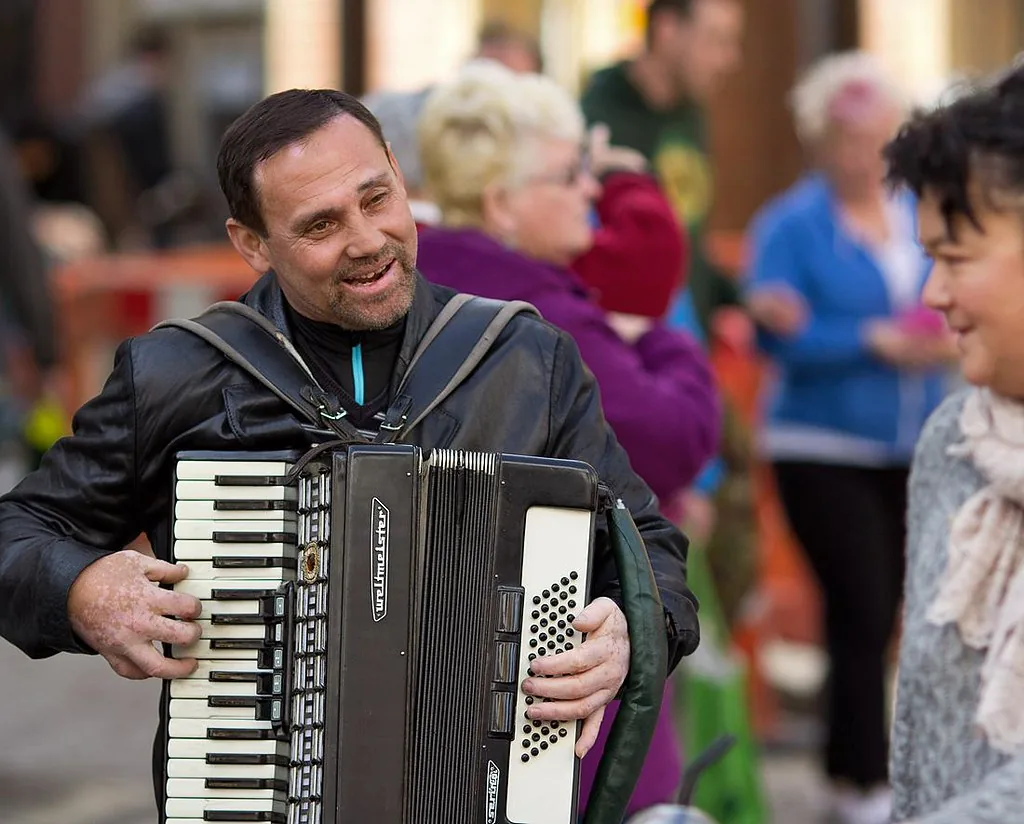
Accordionists use a range of techniques to explore new musical territory. One is polyphonic playing, which involves playing several voices at once on the accordion. This technique lets musicians explore complex harmonies and create rich, varied textures.
- Cluster playing: by layering several closely spaced notes, accordionists can create dissonant effects and experiment with new sounds.
- Bellows techniques: by controlling airflow and pressure, musicians can change the dynamics and expression of their playing, adding another dimension to their performances.
- Left-hand techniques: by using the left-hand buttons creatively, accordionists can produce complex rhythmic patterns and play dissonant chords.
Combined with jazz accordionists’ spirit of exploration and improvisation, these techniques push the genre’s boundaries and open up new musical possibilities. The accordion in jazz is an instrument full of potential, offering endless opportunities to adventurous musicians.
In short, exploration and improvisation lie at the heart of jazz accordion. Accordionists push the limits of their instrument, explore new musical territory and collaborate with other musicians to create distinctive listening experiences. Enter the fascinating world of jazz accordion and draw inspiration from its endless potential.
Jazz accordionists exploring new territory
The accordion in jazz is often underestimated, but it offers exciting possibilities for exploration and improvisation. Many accordionists pursue them, including Régis Huiban of the Régis Huiban Quartet, who blends accordion and improvisation in his Breton-inspired compositions.
Accordionist Émilie Škrijelj also explores new musical paths. She uses her instrument as a sound generator and even combines it with electronics to create abstract soundscapes. Her collaboration with sound designer Armand Lesecq is essential to this work. Škrijelj does not limit herself to the accordion: she also scratches and plays turntables, adding another instrumental dimension to her performances. She works with other musicians too, including drummer Tom Malmendier and percussionist Lê Quan Ninh, exploring different settings for improvisation.
Discover these innovative musicians and the distinctive ways they use the accordion to push the boundaries of French jazz. Their adventurous approach and creativity make the accordion an essential instrument in the genre’s development.

| Name | Style |
|---|---|
| Régis Huiban | Breton jazz |
| Émilie Škrijelj | Sound exploration |
The accordion in jazz: collaboration and exploration with other musicians
The accordion in jazz offers exciting possibilities for exploration and improvisation. Many accordionists pursue them, collaborating with other musicians to push the limits of their instrument and create new sounds.
Consider Régis Huiban of the Régis Huiban Quartet. He blends accordion and improvisation in his Breton-inspired compositions. Bringing the accordion together with other instruments makes it possible to explore new performance settings and create distinctive textures.
Another accordionist exploring new musical paths is Émilie Škrijelj. She uses her instrument as a sound generator and even combines it with electronics to create abstract soundscapes. Her collaboration with sound designer Armand Lesecq is essential to this work. Škrijelj does not limit herself to the accordion: she also scratches and plays turntables, adding another instrumental dimension to her performances.
By working with other musicians, including drummer Tom Malmendier and percussionist Lê Quan Ninh, Škrijelj explores different settings for improvisation. These collaborations extend the accordion’s boundaries and enrich the musical experience through conversations between the instruments.
An example of Škrijelj and Lesecq’s collaboration:
“The collaboration between Škrijelj and Lesecq is a fascinating fusion of accordion and electronics. Together, they create abstract soundscapes that take listeners on a unique musical journey. Exploration and improvisation are at the heart of their artistic approach: they push the boundaries of traditional jazz and offer new sonic possibilities.”
| Artist | Collaborations |
|---|---|
| Régis Huiban | Régis Huiban Quartet |
| Émilie Škrijelj | Armand Lesecq, Tom Malmendier, Lê Quan Ninh |
History of the accordion in jazz
The accordion in jazz is often underestimated, but it offers exciting possibilities for exploration and improvisation. Many accordionists pursue them, pushing the instrument’s limits and creating new sounds. Among these forward-looking musicians are Régis Huiban and Émilie Škrijelj, who have contributed to the accordion’s development in jazz.
Régis Huiban of the Régis Huiban Quartet is known for his distinctive way of blending accordion and improvisation in Breton-inspired compositions. He draws on jazz and traditional Breton music to create an inventive, compelling sound. His accordion playing is marked by a bold exploration of sounds and rhythms, making him a significant composer of jazz for accordion.
“My aim is to explore the accordion’s endless possibilities in jazz and blend it with other musical traditions, such as Breton music. It is an exciting adventure that lets me push the limits of my instrument and create unique music.” — Régis Huiban
Émilie Škrijelj is another accordionist pushing the boundaries of jazz accordion. She uses her instrument as a sound generator, explores the possibilities of the amplified accordion and combines it with electronics to create abstract soundscapes. Her collaboration with sound designer Armand Lesecq is essential to this work. Škrijelj also scratches and plays turntables, adding another instrumental dimension to her performances.
By collaborating with other musicians, including drummer Tom Malmendier and percussionist Lê Quan Ninh, Škrijelj explores different settings for improvisation. She creates distinctive compositions that combine the accordion with percussion rhythms and textures, further enriching her musical language.
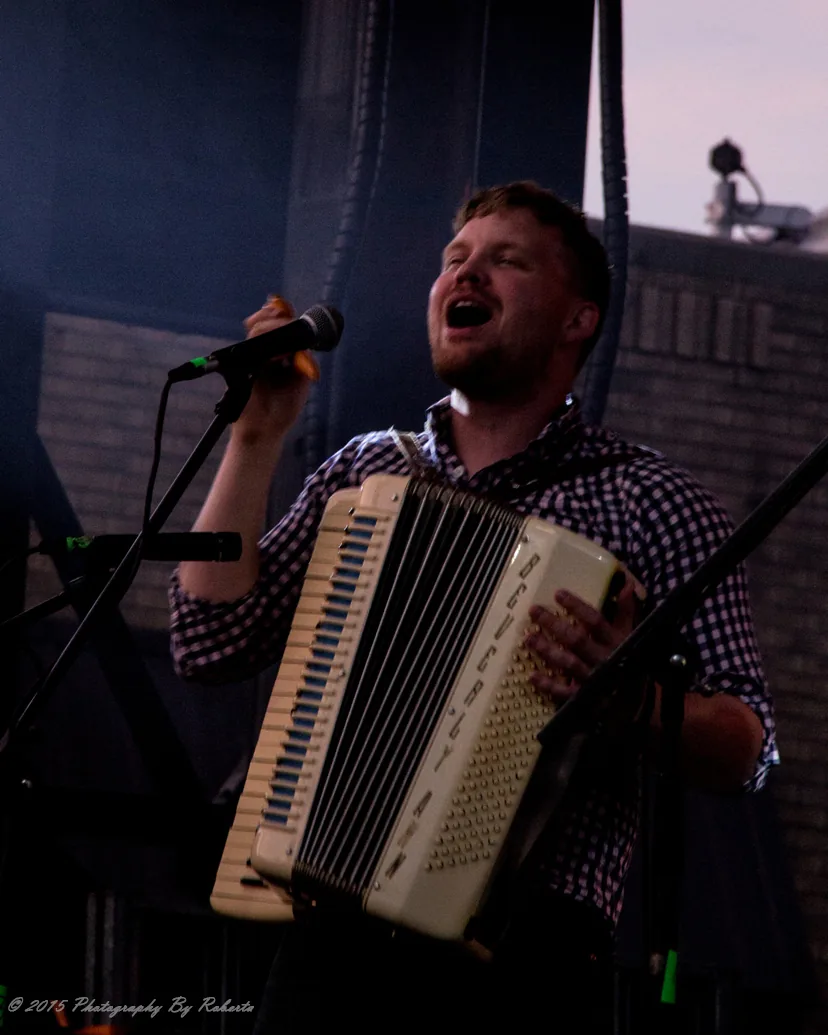
Composers of jazz for accordion have played an essential role in the genre’s history. Their inventive use of the instrument has opened new paths for jazz and encouraged other musicians to explore it. Thanks to artists such as Régis Huiban and Émilie Škrijelj, the accordion continues to evolve in jazz, bringing new sounds and seemingly limitless possibilities.
The accordion in jazz: exploration and improvisation
The accordion in jazz is often underestimated, but it offers exciting possibilities for exploration and improvisation. Many accordionists pursue them, including Régis Huiban of the Régis Huiban Quartet, who blends accordion and improvisation in his Breton-inspired compositions.
Accordionist Émilie Škrijelj also explores new musical paths. She uses her instrument as a sound generator and even combines it with electronics to create abstract soundscapes. Her collaboration with sound designer Armand Lesecq is essential to this work. Škrijelj does not limit herself to the accordion: she also scratches and plays turntables, adding another instrumental dimension to her performances.
She also collaborates with other musicians, including drummer Tom Malmendier and percussionist Lê Quan Ninh, exploring different settings for improvisation.
FAQ
Why is the accordion important in jazz?
The accordion has played an essential role in the development of jazz, bringing distinctive sounds and exciting possibilities for exploration and improvisation.
Which well-known jazz composers have used the accordion?
Notable jazz musicians who have used the accordion include Régis Huiban and Émilie Škrijelj. They have pushed the instrument’s boundaries by incorporating elements of Breton music and experimenting with electronic sounds.
How do accordionists explore new territory in jazz?
Accordionists explore new territory in jazz through techniques of exploration and improvisation. They push the instrument’s limits to create new sounds and experiment with different musical styles.
How do accordionists collaborate with other musicians?
Accordionists work with other musicians, such as drummers, percussionists and sound designers, to create new settings for improvisation and musical exploration, adding sonic richness and another instrumental dimension.
What impact has the accordion had on jazz history?
The accordion has played an important role in jazz history, influencing the genre’s development and appearing in the work of many renowned composers. Its use in jazz has brought a distinctive variety of sounds.