
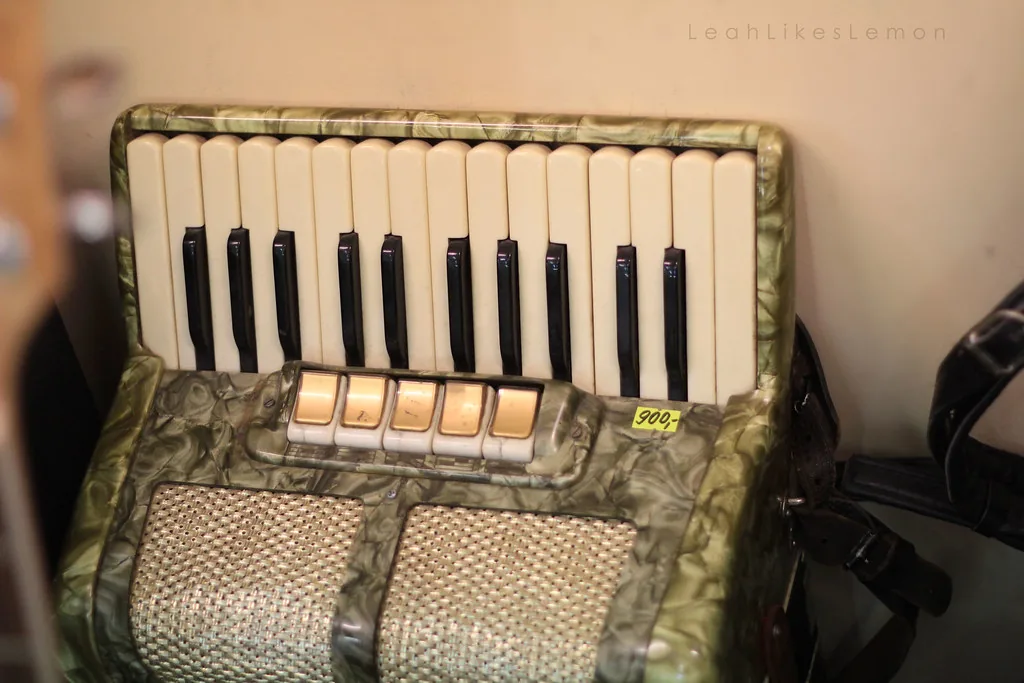
André Verchuren is a true icon of French accordion music. His rendition of “La Paloma” has left a lasting impression and still brings traditional dances to life. Originally from Spain, the piece found new life through his talent.
This version is often described as a “cult classic”. For decades, it has echoed through village festivals and family gatherings. Its melody, recognizable from the first few notes, stirs deep nostalgia across generations.
In this article, we will explore the song’s origins, the artist’s fascinating life, and what makes this rendition so memorable. We will highlight its cultural impact and its role in making the accordion a beloved instrument for celebrations.
Whether you love the accordion or are simply curious, this article will take you into the world of a cover that became a cultural phenomenon.
The origins and history of “La Paloma,” revisited by André Verchuren
This iconic melody has deep roots. Composed by the Spanish Basque musician Sebastián Iradier in the 1860s, the habanera has endured through the ages. Its success lies in its ability to touch hearts around the world, as its thousands of renditions in many languages show.
The song’s journey is fascinating. Embraced by sailors and exiles, it became a universal symbol of nostalgia and hope. Its travels across continents speak to its emotional power and timeless appeal.
In France, the melody’s arrival in the early 20th century marked the beginning of a new era. It gradually entered the repertoire of musette dance bands and street accordionists. This setting allowed artists like André Verchuren to make it even more popular.
Born in 1920 in Neuilly-sous-Clermont, Verchuren was the son of a Belgian accordionist. He won the title of world accordion champion in 1936 and became a leading figure in French popular music. His life also shows remarkable resilience, particularly during the Second World War.
Deported to Dachau, he returned to the stage after the war, building his legend. His charisma and passion for music captivated audiences. Verchuren is known for his distinctive style, technical virtuosity, and ability to make the accordion sing. Every performance bursts with energy.
Recording his version of this melody marked a turning point in his career. That artistic choice reshaped his path and left an indelible mark on music history in France. His arrangements, chosen tempo, and added flourishes made the rendition a timeless classic.
La Paloma by André Verchuren: A cult classic and its impact
André Verchuren’s adaptation left an indelible mark on the musical landscape. Distinctive details make his rendition unforgettable. Its instantly recognizable introduction commands attention, while its lively, joyful musette waltz rhythm invites people to dance.
André’s signature sound stands out in his masterful use of the bellows. Expressive tremolos and subtle countermelodies enrich the tune. His ability to move hearts as well as feet made this version a staple at dances.
What makes this version so memorable
The piece captures the very spirit of the traditional French dance. It became a classic at afternoon dances, riverside dance halls, and village festivals. From the opening bars, couples come together, ready to be swept away by the music.
Audience reception and success across generations
When the record was released, it received an immediate and enthusiastic welcome. Record sales and repeated radio airplay attest to its success. At dances where André performed, audiences asked for this rendition again and again.
The melody has been passed down from one generation to the next. Grandparents teach it to their grandchildren, while parents hum it in the kitchen. The bond this song has created between generations remains strong.
The recording is still played at weddings, birthdays, and family celebrations. André’s music has lost none of its magic. Listeners sharing their stories on social media recall cherished memories connected to the song.
Many accordionists also pay tribute to this rendition. It has become a touchstone that many try to match, though none quite capture its spirit.
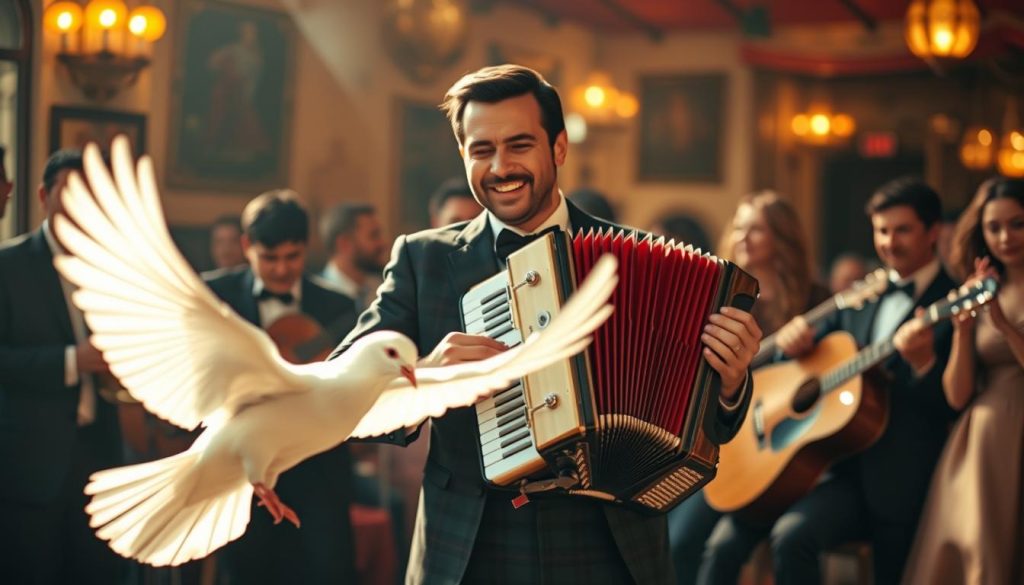
The place of “La Paloma” in French culture and traditional dances
The melody’s impact on French culture is undeniable. It became a mainstay of musette dances alongside the genre’s great classics. The piece evokes lively riverside dance halls where couples dance to the accordion.
André’s version influenced generations of accordionists, both amateur and professional. Many added it to their repertoire and play it at country dances and community festivals. Dance enthusiasts regard the piece as an anthem.
Every dance takes on a special feeling when the opening notes sound. Dance floors fill at once, reflecting the energy of the melody. Today’s accordionists keep the tradition alive by playing this classic at their performances.
The wealth of video archives online also lets people rediscover memorable performances. Historic recordings of André show his talent at galas and on television programs.
Specialized platforms bring together more than 17,000 videos of accordionists from around the world. Fans can watch covers, tutorials, and rare moments. Creators such as Nicole20 also help keep this musical heritage alive on platforms like YouTube.
These digital archives play a crucial role for younger generations. They introduce them to the world of social dancing and accordion music. In this way, André’s version continues to inspire and move people far beyond traditional dance floors.
| Elements | Details |
|---|---|
| Influence on accordionists | Part of many musicians’ repertoires |
| Video archives | More than 17,000 videos available online |
| Content creators | Nicole20 and others share performances |
| Cultural significance | An anthem of traditional dances |
Conclusion
André’s rendition captured the very spirit of French popular music. Carried by his charisma and virtuosity, this iconic melody has touched generations. It has grown beyond entertainment and become part of the cultural heritage.
Listening to this version brings its timeless magic back to life. At a dance or with family, André’s music still evokes cherished memories. Thanks to archives and dedicated fans, his legacy lives on and promises to keep many more generations dancing.
We invite you to share your own memories of this song. Whether it brings to mind an unforgettable dance or a joyful moment, every story adds to André Verchuren’s living legend.
As long as accordionists play this melody, André’s spirit will live on in the hearts of the French.