
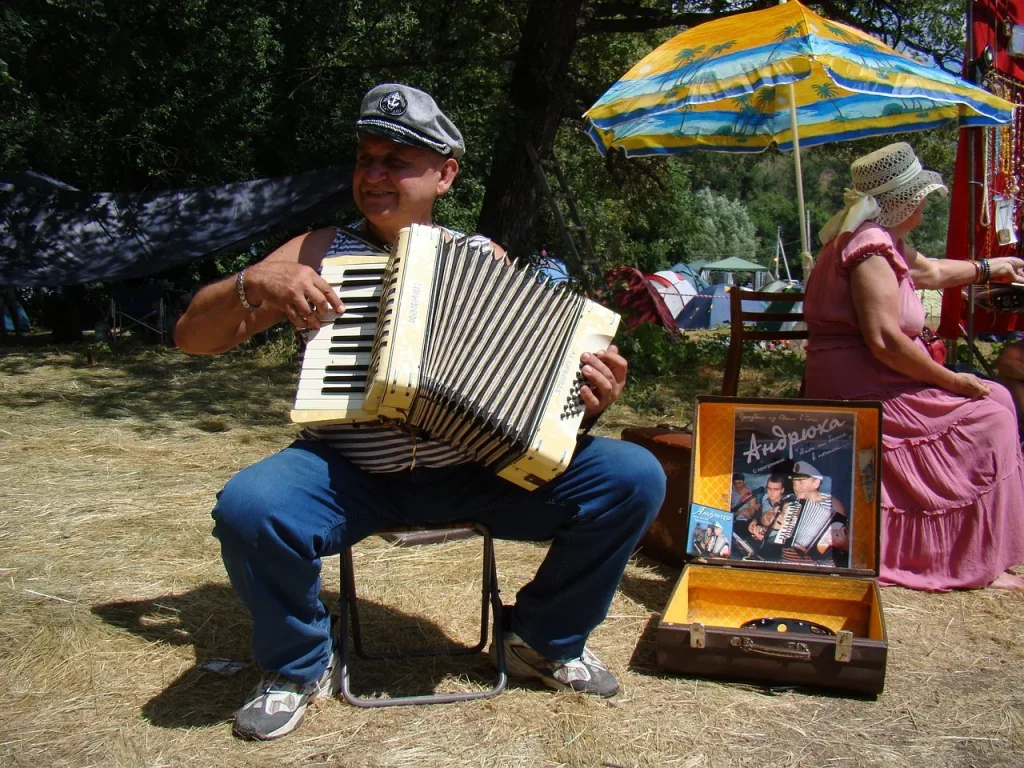
The accordion is a versatile musical instrument that plays an essential role in folk music around the world. Its history dates back to the 1830s, when an Austrian invented its modern form. Since then, it has been shaped by many influences across continental Europe and gained popularity through musette music in France and technical developments in Italy.
This musical journey will take us from country to country to discover the traditions and musical cultures enriched by the accordion. From captivating world music to the talents of accordionists, we will explore the many facets of this fascinating instrument.
The history of the accordion and its influence in Europe
The accordion has a rich history in Europe and has been strongly influenced by the continent’s musical and folk traditions. Its invention dates back to the early 1830s, when the Austrian Cyrill Demian created the first modern version of this versatile instrument. Since then, the accordion has continued to evolve and has gained popularity in various European countries.
In France, the accordion found a place in musette music, a genre popular in the 1930s and 1940s. Its wistful and cheerful sounds won over Parisians, and many talented accordionists became iconic figures on the French music scene. The accordion also played an important role in Italy, where technical developments improved its sound quality and ease of use.
Europe’s musical diversity shaped the accordion’s evolution. It adapted to each country’s traditional styles, helping to preserve the continent’s folk heritage. The accordion has been used in genres including the waltz, tango and klezmer. Its ability to play both harmonies and melodies made it an essential instrument in European traditional music.
| Country | Musical influence |
|---|---|
| France | Musette music |
| Italy | Technical improvements |
| Austria | Invention of the modern accordion |
“The accordion is a fascinating instrument that has found a place in Europe’s many musical cultures. Its versatility and rich sound make it a mainstay of the continent’s traditional music and folk music.” — Renowned accordionist
The accordion also traveled beyond Europe, influencing other parts of the world. In South America, the bandoneon, a relative of the accordion, is inseparable from Argentine tango. In Switzerland, the accordion is closely associated with folk music and is also used in more modern genres. World music and ethnic music have likewise embraced the accordion, creating new sounds by blending different musical traditions.
The accordion holds a special place in European music history. From its beginnings in Austria, it left its mark on musette music in France and benefited from technical developments in Italy, adapting and reinventing itself over time. Today, the accordion continues to enrich traditional and folk repertoires across Europe, reflecting the continent’s musical diversity and heritage.
The accordion in the folk music of Eastern Europe and Scandinavia
The accordion has a prominent place in the folk music of Eastern Europe and Scandinavia. It plays an essential role in preserving the traditions and musical cultures of these regions. This versatile instrument has adapted to different musical styles and is now an integral part of these countries’ musical identities.
In Eastern European countries such as Ukraine and Russia, the accordion accompanies traditional dances including the polka and mazurka. It lends them a festive, lively quality, creating a joyful atmosphere at festivals and celebrations. Skilled musicians master complex rhythms and captivating melodies, conveying the spirit of these regions’ folk music.
In Scandinavia, the accordion is also widely used in traditional music. It accompanies folk songs and traditional dances such as the Swedish waltz and the polska. The instrument gives these pieces a distinctive texture, contrasting gentle melodic passages with strong rhythmic accents. Its sounds evoke Nordic landscapes and the regions’ age-old traditions.
| Eastern Europe | Scandinavia |
|---|---|
| Ukraine | Sweden |
| Russia | Norway |
| Poland | Finland |
The use of the accordion highlights the richness of these countries’ folk traditions and musical cultures. This versatile instrument has adapted to different forms of musical expression, allowing musicians to pass on their ancestors’ musical heritage. Thanks to the accordion, the captivating melodies and festive rhythms of folk music continue to resonate with people in these regions and to engage listeners around the world.
Quotes:
“The accordion is the soul of Ukrainian folk music; it instantly transports us to another world.” — Ivan Petrov, Ukrainian musician
“The accordion’s presence in traditional Swedish music is essential; it creates a warm, festive atmosphere at our gatherings.” — Sofia Andersson, Swedish dancer
Image:

| Eastern Europe | Scandinavia |
|---|---|
| Ukraine | Sweden |
| Russia | Norway |
| Poland | Finland |
The accordion in world music and ethnic music
The accordion plays an essential role in world music and ethnic music: it helps blend traditional musical genres and explore new sounds. Many talented artists around the world use this versatile instrument to create original, compelling compositions.
In world music, the accordion is often associated with music that brings together influences from different cultures, such as gypsy jazz, flamenco, and Arab and African music. Its warm tone and ability to create emotionally rich melodies make it ideal for blending musical traditions and creating new listening experiences.
“The accordion is a bridge between cultures, allowing artists to express themselves and share their musical heritage with the whole world.” — Talented accordionist
The French band Les Négresses Vertes provides a well-known example of the accordion’s use in world music. The band incorporated it into its music, skillfully blending rock, reggae and musette sounds. This mix of styles captivated audiences and helped popularize the accordion in unconventional musical settings.
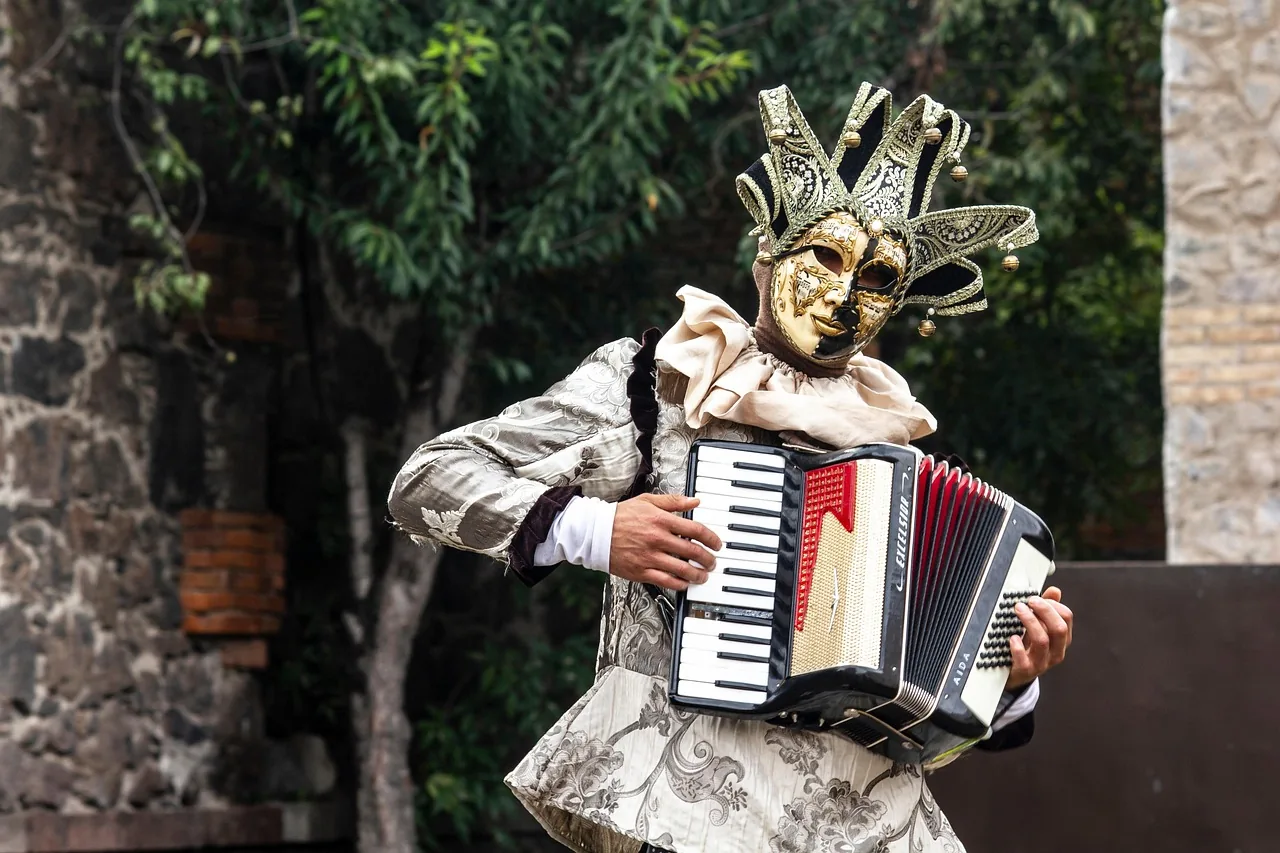
| Country | Musical genre |
|---|---|
| Brazil | Forró |
| Argentina | Tango |
| China | Shanxi |
| Louisiana | Zydeco |
| Colombia | Vallenato |
| Caribbean | Creole music |
| Cape Verde | Morna |
| Madagascar | Salegy |
The accordion is a highly versatile instrument that has found a place in many musical genres around the world. In traditional music, world music and even more modern genres such as punk and metal, it adds a distinctive dimension and enriches local repertoires. The instrument continues to surprise and inspire musicians and listeners worldwide.
The accordion in folk music and more modern genres
The accordion also has a place in more modern genres such as punk and metal, adding an original and unexpected touch. Often characterized by their energy and intensity, these styles make room for its distinctive sounds and versatility. Talented accordionists create catchy, dynamic melodies that blend with the electric guitars and powerful percussion typical of these genres.
In punk, the accordion adds an unexpected melodic dimension that contrasts with the genre’s rebellious attitude and often politically engaged lyrics. Bands such as Les Négresses Vertes have incorporated the accordion into their compositions, mixing punk rock rhythms with lively accordion melodies.
In metal, the accordion brings a fresh, surprising sound. The Norwegian band Trollfest is known for its bold use of the accordion in its songs, fusing extreme metal with traditional folk melodies. This combination produces energetic, rousing performances that captivate fans of the genre.
Talented accordionists bring a new perspective to these musical genres and push the boundaries of what the instrument can do. Whether it joins punk’s fast riffs or adds a folk dimension to metal, the accordion once again demonstrates its versatility and ability to fit into different musical styles.
| Artist | Musical genre | Example song |
|---|---|---|
| Les Négresses Vertes | Punk | La Valse |
| Trollfest | Metal | Kaptein Kaos |
Conclusion
Through folk music from around the world, the accordion takes us on a musical journey through different cultures and their musical heritage. Its history dates back to the 1830s, when an Austrian invented its modern form. Since then, it has gained popularity across continental Europe and beyond.
In Europe, the accordion was shaped by many influences, particularly musette music in France and technical developments in Italy. It helped shape traditional and folk repertoires, adding a distinctive dimension to each region. In Eastern Europe and Scandinavia, it gives expression to local folk traditions and musical cultures.
The accordion has also found a place in world music and ethnic music, where it helps blend different styles and musical traditions to create new sounds. Talented artists use it to give their music a universal dimension, showing its ability to cross cultural boundaries.
Finally, the accordion has entered more modern genres such as punk and metal, bringing them an original and unexpected touch. Its use in these genres demonstrates its versatility and its ability to adapt to different musical settings.
FAQ
Where did the accordion originate?
The modern accordion was invented by an Austrian in the 1830s.
In which musical repertoires is the accordion used?
The accordion is used in French musette music, the folk music of Eastern Europe and Scandinavia, world music, ethnic music, and more modern genres such as punk and metal.
What influence has the accordion had in Europe?
The accordion has been shaped by many influences across continental Europe and has gained popularity through musette music in France and technical developments in Italy.
In which countries is the accordion used in folk music?
The accordion is used in the folk and traditional music of Eastern Europe and Scandinavia, as well as in countries and regions including Ukraine, Russia, Italy, China, Louisiana, Brazil, Argentina, Colombia, the Caribbean, Cape Verde and Madagascar.