
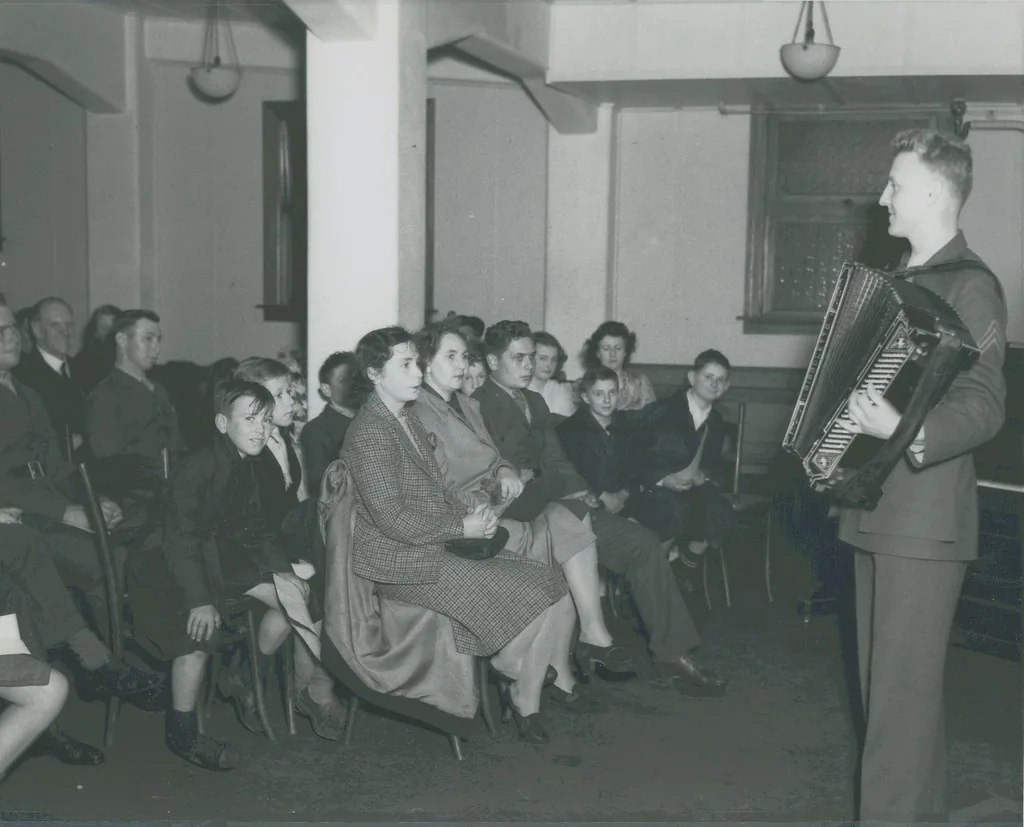
The accordion is playing an increasingly important role in contemporary music, allowing composers to explore new horizons and create experimental works. This popular instrument inspires new compositions and musical experiments, bringing renewal to contemporary music. Influential artists such as Félicien Brut and Richard Galliano have helped change the stereotypical image of the accordion and open up new possibilities. Contemporary accordionists have thus become major figures in experimental music.
The accordion appears in many musical genres and fits successfully into a wide range of styles, making it a versatile instrument. In classical music, jazz, traditional music and even experimental music, the accordion brings a unique dimension to each style. Its rich timbre and ability to create varied harmonies make it an ideal choice for composers seeking new sounds.
In classical music, the experimental accordion has found a place alongside traditional instruments such as the violin and piano. It is used to create intense, moving atmospheres, adding a distinctive color to the orchestra. In jazz, the accordion is often used for improvisation and rhythmic accents, creating a unique sonic texture. In traditional music, it plays a central role and adds a folk character to music rooted in culture.
“The accordion is an incredibly versatile instrument that can adapt to almost any musical genre. Its warm sound and great expressiveness make it an instrument of choice for contemporary musicians seeking unique sounds.” — Félicien Brut
Whether in an orchestral symphony, a jazz combo or a folk group, the accordion adapts readily to every style. Contemporary musicians continually push the instrument’s boundaries, creating new musical trends and opening up new artistic possibilities.
| Musical genre | Example artists |
|---|---|
| Classical | Félicien Brut, Richard Galliano |
| Jazz | Richard Galliano, Vincent Peirani |
| Traditional music | Yvette Horner, Didier Laloy |
| Experimental music | Andreas Borregaard, Teodoro Anzellotti |
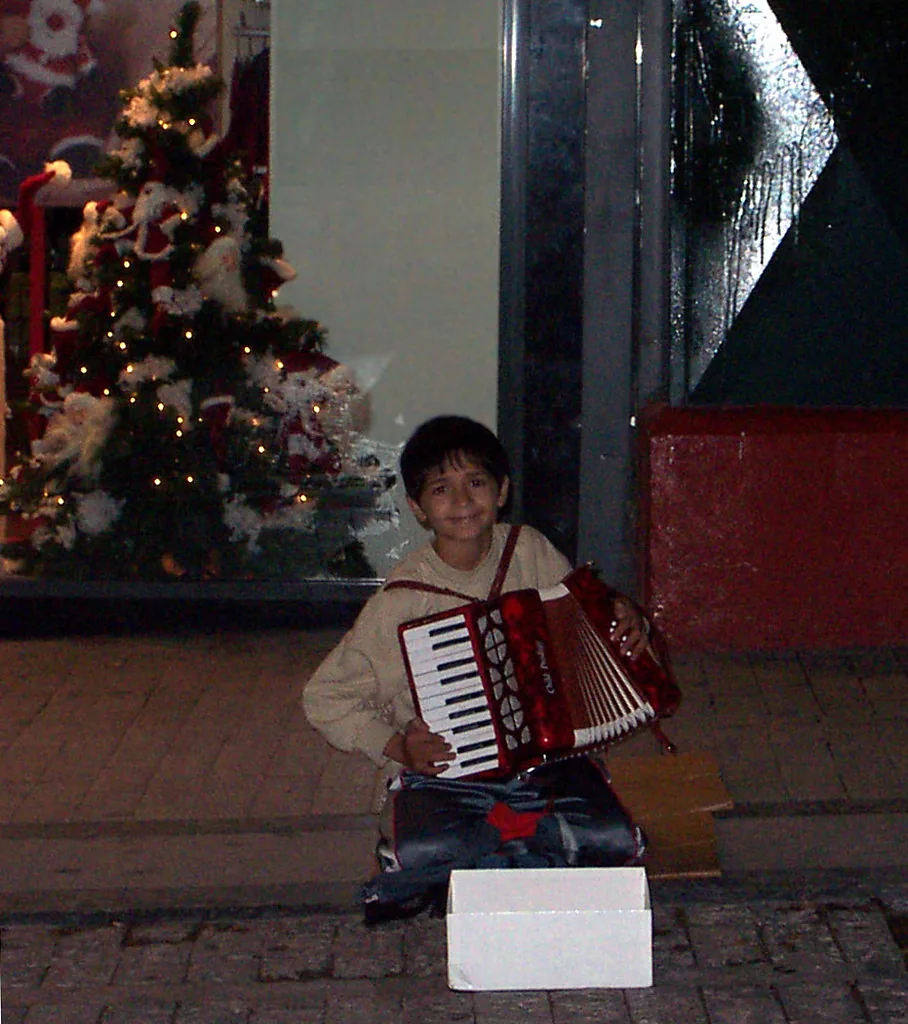
Over the years, the accordion has broadened its musical horizons, becoming an essential instrument in many styles. Its versatility and ability to adapt to different cultures and traditions give it considerable artistic richness.
The evolution of accordion teaching
Accordion teaching has changed significantly, gaining greater recognition in conservatories and benefiting from modern teaching approaches that highlight the instrument’s many possibilities. Once regarded as a folk instrument, the accordion has gained legitimacy in contemporary music thanks to teachers and students who have explored its potential.
Conservatories have recognized the accordion as a musical instrument in its own right and begun to include it in their curricula. Dedicated courses give students who wish to specialize in the accordion comprehensive training to master the instrument. Examinations and qualifications have also been created to assess accordionists’ skills and recognize their achievements.
Modern teaching approaches have also played an essential part in the evolution of accordion education. Teachers have adopted innovative methods suited to each student’s needs and preferences. Teaching resources, including accordion-specific scores, audio and video recordings, and technical and improvisation exercises, have been developed to improve learning.
By allowing students to explore styles ranging from classical music and jazz to world and contemporary music, accordion teaching has opened up new creative possibilities. Students are encouraged to develop their own style and push the accordion’s boundaries by incorporating modern techniques and innovative approaches into their playing.
Summary of modern approaches to teaching the accordion:
| Teaching approaches | Description |
|---|---|
| Suzuki method | Based on listening and learning by ear, with a progression suited to children. |
| Contemporary playing method | Emphasis on improvisation techniques, composition and contemporary performance. |
| Traditional approach | Study of classical and traditional accordion repertoires, with an emphasis on technique and virtuosity. |
| Use of technology | Use of software and applications for recording, composing and online learning. |
These varied teaching approaches enrich accordion education and develop students’ creativity. Thanks to these advances, the accordion is now recognized as a versatile, innovative instrument that can adapt to many musical styles and make an important contribution to contemporary music.
Exploring the accordion’s sound and physicality
Contemporary composers push the accordion’s boundaries by exploring its sonic and physical possibilities, creating a compelling new musical aesthetic. This versatile instrument offers a rich and varied palette of sounds, allowing it to take part in many musical genres and artistic experiments.
Composers use the accordion’s bellows possibilities in innovative ways to create unique sounds and push the boundaries of contemporary music. Musicians use techniques such as continuous airflow, note ornamentation and sound effects to add distinctive nuances and textures to their compositions.
The accordion is also a physical instrument: musicians can interact with it directly and use their bodies to change its sound and expression. Contemporary composers explore this dimension through techniques such as extending and compressing the bellows, rhythmic manipulation and body movement to create distinctive sound effects and dynamics.
| Composer | Sonic and physical explorations |
|---|---|
| Félicien Brut | Uses continuous airflow techniques to create an airy atmosphere in his compositions. |
| Richard Galliano | Explores the accordion’s expressive capabilities, using fluid body movements to vary dynamics and articulation. |
By combining the accordion’s sonic and physical possibilities, contemporary composers push the boundaries of this traditional instrument and develop an innovative, compelling sonic aesthetic. Their creativity and ongoing exploration have helped establish the accordion as an instrument in its own right in contemporary music.

Contemporary composers push the accordion’s boundaries by exploring its sonic and physical possibilities, creating a compelling new musical aesthetic. The accordion offers a rich and varied palette of sounds that suits different musical genres. Musicians use the accordion’s bellows possibilities in innovative ways to create unique sounds. The accordion is also a physical instrument with which players can interact directly to change the sound and expression. Contemporary composers explore this physical dimension through various techniques. These sonic and physical explorations have opened up new artistic possibilities and helped the accordion gain recognition in contemporary music.
Leading figures in contemporary accordion music
Félicien Brut and Richard Galliano have shaped the history of contemporary accordion music by pushing the instrument’s boundaries and making it more accessible and innovative. These two influential artists have helped change the accordion’s stereotypical image and opened up new artistic horizons for it.
Félicien Brut, a French accordionist, is known for his virtuosity and innovative approach to the instrument. His style blends classical and contemporary influences, and he explores the accordion’s sonic possibilities with great sensitivity. Through his expressive and moving music, Brut has captivated a wide audience and made the accordion an essential instrument on the contemporary music scene.
Richard Galliano is an internationally renowned composer and accordionist. He has helped popularize the accordion in jazz and classical music by blending styles and creating original compositions. Galliano is a pioneer of the modern accordion, pushing the instrument’s boundaries through his virtuosic playing and ability to improvise. His influence on contemporary music is undeniable, and he has paved the way for many talented artists.
Félicien Brut’s and Richard Galliano’s contributions to contemporary accordion music have broken down traditional barriers and opened up new artistic possibilities. Their creativity and passion have inspired a generation of accordionists and enriched the contemporary music scene. Thanks to them, the accordion has become a symbol of modernity and innovation in contemporary music.

| Accordionist | Musical genre |
|---|---|
| Félicien Brut | Contemporary music |
| Richard Galliano | Jazz, classical music |
Conclusion
The accordion has undergone a revival in contemporary music, offering new possibilities and encouraging composers to push the boundaries of their creativity.
Today, this popular instrument has a place in styles ranging from classical music and jazz to traditional music. Artists such as Félicien Brut and Richard Galliano have done much to change the accordion’s stereotypical image, opening the way to new artistic possibilities. Contemporary composers explore the sonic and physical possibilities of the accordion’s bellows, creating a unique and innovative aesthetic.
At the same time, teaching the instrument has evolved. The accordion is now recognized in conservatories and benefits from suitable teaching approaches. This growing recognition has strengthened its legitimacy as an instrument in its own right in contemporary music.
The accordion continues to gain recognition and inspire creativity in contemporary music. Its renewal and potential for experimentation make it a compelling instrument for composers and listeners alike.
FAQ
Is the accordion considered a contemporary instrument?
Yes. The accordion is increasingly used in contemporary music and attracts composers’ interest. It has entered new territory thanks to influential artists such as Félicien Brut and Richard Galliano.
In which musical genres does the accordion have a place?
The contemporary accordion has a place in styles ranging from classical music and jazz to traditional music. It adapts to each genre and helps create unique sounds and atmospheres.
How has accordion teaching evolved?
Accordion teaching has developed over time, with more recent recognition in conservatories and suitable teaching approaches. The accordion is now regarded as an instrument in its own right in contemporary music.
How do contemporary composers explore the accordion’s possibilities?
Contemporary composers explore the accordion’s bellows possibilities and physical dimension to create a new sonic aesthetic. They push the instrument’s boundaries and create unique compositions.
Who are the influential contemporary accordionists?
Artists such as Félicien Brut and Richard Galliano have helped change the accordion’s stereotypical image and paved the way for new talent. They are considered leading figures in contemporary accordion music.