
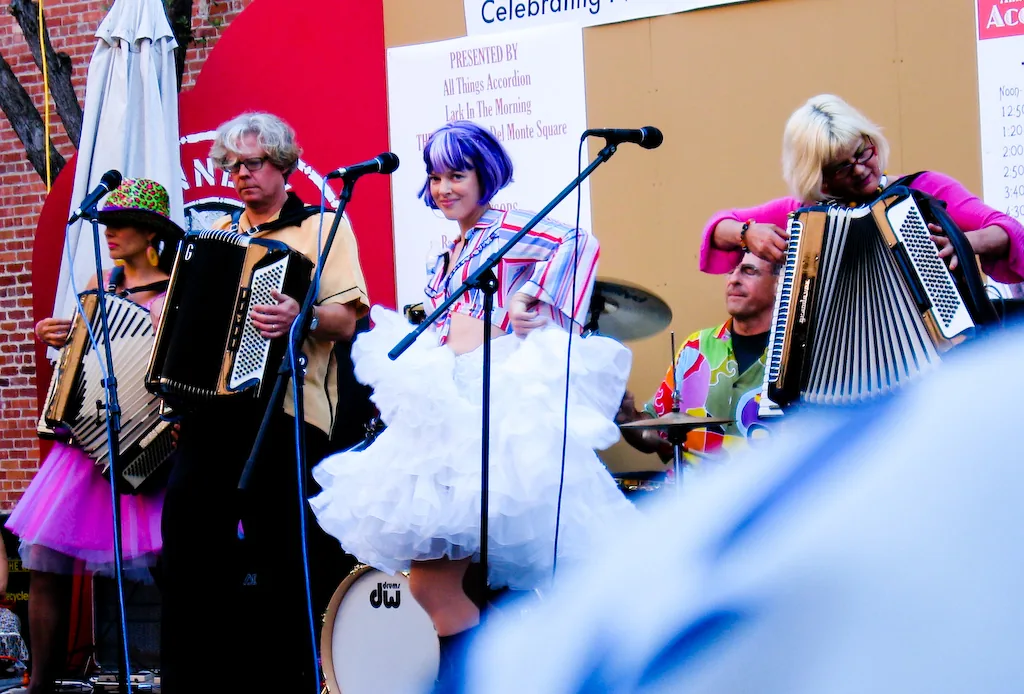
The accordion is a popular musical instrument found around the world, with a wide variety of styles and techniques. Since the early twentieth century in Russia, and over the past two decades in France and the rest of Europe, the accordion has gradually gained a place in music schools and conservatories. It attracts many young people each year. Accordion players draw on numerous repertoires and traditions, including jazz, classical music, traditional music, and musette.
Accordion teaching in France has become more structured over time, with the establishment of dedicated private schools and associations. Music education in these institutions must account for the accordion’s many distinctive features and teach a range of musical styles. The accordion is a polyphonic instrument whose registers produce a variety of sounds. It is used in styles including tango, classical music, jazz, metal, and traditional music.
In Switzerland, the accordion is also prominent in both folk and modern music. Its little-known repertoire is rich and offers many artistic possibilities.
The accordion plays an important part in traditional and folk music, lending it a distinctive sound. This polyphonic instrument is attracting growing interest in France and around the world because it can express emotion and convey the essence of a region’s or country’s culture.
Thanks to its versatility, the traditional accordion has a place in many regions, where each style is closely tied to local culture. In France, for example, musette accordion is inseparable from the music of Parisian cafés and cabarets in the early twentieth century. Its lively notes bring to life the waltzes, polkas, and tangos that set the rhythm of that era.
Beyond France, the accordion is also an emblematic instrument in the traditional music of many countries. In Russia, it features in Slavic folk music, lending it a rich, melancholy sound. In Latin America, the accordion is a mainstay of Argentine tango and Paraguayan chamamé, adding emotion and passion to their captivating melodies.
| Country | Musical style |
|---|---|
| France | Musette accordion |
| Russia | Slavic folk music |
| Argentina | Tango |
| Paraguay | Chamamé |
The traditional accordion is far more than a musical instrument. It reflects a culture, a tradition, and a heritage. Its captivating melodies cross borders and bring people together. Whether heard in the streets of a French village, on a Russian theater stage, or at a Latin American folk festival, the accordion continues to captivate listeners and carry them into a musical world rich in emotion.

“The accordion is the soul of traditional music. It brings a unique warmth and vitality to every melody, creating a deep connection between the musician and the audience.” — Maestro Antonio Rossi, renowned accordionist
The accordion’s different musical styles
The accordion has a place in many genres, including jazz, classical music, musette, and traditional music, all represented by renowned accordionists. Its registers give this polyphonic instrument a range of sounds, making it a favorite of many musicians. In the intimate setting of a jazz club, on a classical concert stage, or at a traditional celebration, the accordion brings a distinctive and captivating sound.
In jazz, accordionists such as Richard Galliano and Vincent Peirani have pushed the instrument’s boundaries. Their virtuosity and creativity have earned them international recognition. In classical music, composers such as Astor Piazzolla and Viktor Vlasov have incorporated the accordion into their works, adding another dimension to symphonic music. In musette, a distinctly French style, musicians such as André Verchuren and Yvette Horner popularized the accordion with their lively, dance-inspiring playing.
The accordion is also essential to the traditional music of many countries. In France, for example, it has accompanied folk dances and lyric-driven songs for decades. In Argentina, the bandoneon, a relative of the accordion, is a cornerstone of tango, lending it a melancholy and passionate atmosphere. Elsewhere, the accordion is used to play traditional music: in Eastern European countries, for instance, it accompanies folk dances.

In short, the accordion is a universal instrument that crosses cultural and musical boundaries. Its versatility and expressiveness make it a favorite of musicians, from beginners to virtuosos. In a smoky jazz club, on a prestigious concert stage, or in a small village during a traditional celebration, the accordion captivates listeners and takes them on an unforgettable musical journey.
| Musical genre | Renowned accordionists |
|---|---|
| Jazz | Richard Galliano, Vincent Peirani |
| Classical music | Astor Piazzolla, Viktor Vlasov |
| Musette | André Verchuren, Yvette Horner |
| Traditional music | Marcel Azzola, Kepa Junkera |
The history of the accordion
The accordion has a rich history to which famous accordionists have contributed through their work and popularity. This polyphonic instrument has crossed eras and borders, leaving a lasting mark on many musical genres worldwide.
Since its invention in the nineteenth century, the accordion has undergone many changes and adaptations. Famous accordionists such as Yvette Horner, Richard Galliano, and Astor Piazzolla have pushed the instrument’s boundaries and brought it to a wide range of audiences.
“The accordion is a fascinating instrument that has won the hearts of music lovers around the world. Its unique sound and versatility make it a true musical treasure.” — Yvette Horner
The accordion has also found a place in genres such as tango, classical music, jazz, metal, and traditional music. Its use across these styles has allowed it to adapt to many musical approaches and explore a variety of sounds.
Famous accordionists
Several great accordionists have left their mark on the instrument’s history, including:
| Accordionist | Country of origin |
|---|---|
| Yvette Horner | France |
| Astor Piazzolla | Argentina |
| Richard Galliano | France |
| Renzo Ruggieri | Italy |
Each of these talented musicians has made a distinctive contribution to the accordion’s development and international recognition. Their remarkable performances have inspired generations of accordionists and continue to influence the instrument’s development.
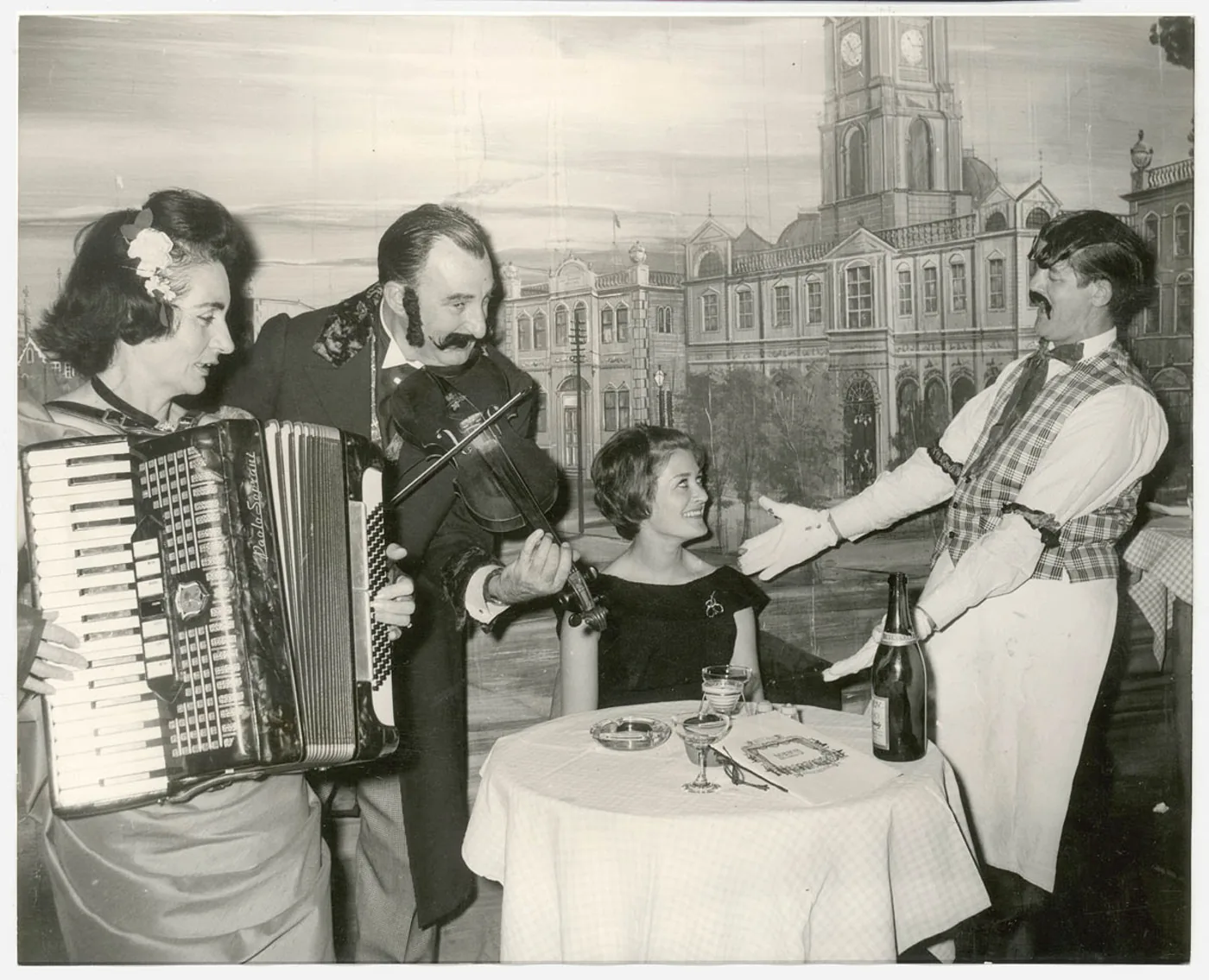
The accordion is an instrument with a rich musical history. Its journey across eras and cultures makes it a symbol of diversity and openness. Famous accordionists have drawn on its full potential, helping it shine in many genres. In traditional music, jazz, and classical music, the accordion continues to delight listeners worldwide.
The accordion and cultural diversity
The accordion crosses cultural boundaries and plays an essential role in preserving and promoting cultural diversity. Its registers give this polyphonic instrument a wide variety of sounds, allowing it to adapt to styles such as tango, classical music, jazz, metal, and traditional music.
The musical traditions associated with the accordion show the cultural richness it represents. In traditional music, for example, each culture brings its own identity and playing techniques to the instrument. From the diatonic accordion used in Celtic music in Ireland and Scotland to the button accordion of Balkan folk music and the piano accordion heard in French musette, each style brings its cultural characteristics to the fore.
In Switzerland, the accordion has a prominent place in folk music and more contemporary genres alike. Its rich and varied repertoire ranges from traditional dances to modern compositions. Its use in Swiss music highlights the country’s cultural diversity and helps preserve its musical traditions.
The accordion and cultural diversity in figures:
| Country | Musical style | Example of a famous accordionist |
|---|---|---|
| France | Musette accordion | Gus Viseur |
| Argentina | Tango | Astor Piazzolla |
| Russia | Traditional music | Nikolai Rizol |
| Italy | Tarantella | Riccardo Tesi |
The accordion is therefore far more than a musical instrument. It is a symbol of cultural diversity, bringing people together through a shared passion for music. On the busy streets of Paris, in Buenos Aires concert halls, and at Russian folk festivals, the accordion gives voice to each place’s traditions and identity. Thanks to its versatility and ability to adapt to different musical styles, it continues to reinvent itself and captivate listeners around the world.
Teaching the accordion
Accordion teaching has evolved over time, with private schools and associations established to pass on the instrument’s many distinctive techniques and promote different artistic approaches. Since the early twentieth century in Russia, and over the past two decades in France and the rest of Europe, the accordion has gradually gained a place in music schools and conservatories, attracting many young people passionate about this polyphonic instrument each year.
Accordion players draw on numerous repertoires and traditions, including jazz, classical music, traditional music, and musette. To reflect this diversity, accordion teaching has developed around different musical styles. Private schools and dedicated associations offer programs tailored to students’ needs, helping them develop their technical and artistic skills.
With its different registers, the accordion offers a wealth of sounds and a broad range of musical possibilities. It is used in many styles, including tango, classical music, jazz, metal, and traditional music. It allows musicians to explore different forms of artistic expression and push the limits of their creativity.
In Switzerland, the accordion is also prominent in folk and modern music. It plays a central role in preserving and promoting Swiss cultural identity. The diversity of its repertoire in Switzerland is little known, even though it offers musicians many artistic possibilities.
| Benefits of accordion teaching |
|---|
| Helps students acquire advanced technical skills |
| Encourages artistic expression and creativity |
| Helps preserve and promote cultural diversity |
| Offers career opportunities as a professional accordionist |
In conclusion, accordion teaching has evolved considerably to meet students’ needs and promote the instrument’s musical richness. Dedicated private schools and associations play an essential role in teaching its different styles. Whether aspiring to a professional career or playing for pleasure, learning the accordion offers many artistic possibilities.
The accordion around the world: Switzerland as an example
Switzerland illustrates the accordion’s important place in traditional folk music and contemporary genres, as well as the instrument’s versatility and artistic possibilities. This polyphonic instrument is played with virtuosity in various styles, contributing to the richness of the repertoire and the country’s cultural diversity.
The accordion holds a central place in Swiss folk music. It is often associated with traditional dances such as the polka and the waltz, bringing them a lively, festive rhythm. Swiss accordionists are known for playing this popular music with passion and virtuosity.
Alongside its presence in folk music, the accordion is also used in contemporary Swiss genres. Many innovative Swiss artists incorporate it into their compositions, creating distinctive new sounds. This versatile instrument blends with others and adds an original sonic dimension to contemporary music.
Switzerland therefore offers a fascinating picture of how the accordion is used, from traditional folk music to contemporary genres. The instrument continues to evolve and reinvent itself, offering many artistic possibilities around the world.
Table: renowned Swiss accordionists
| Accordionist’s name | Musical genre |
|---|---|
| Andreas Nebl | Folk music |
| Fritz Dünner | Contemporary music |
| Lys Assia | Song |
Switzerland is thus a haven for amateur and professional accordionists, with a rich and varied music scene. In folk traditions and contemporary musical innovation alike, the accordion plays a central role in Swiss culture and fascinates listeners worldwide.
Conclusion
The accordion is distinguished by a great diversity of styles and techniques around the world, offering exceptional musical richness. Since the early twentieth century in Russia, and over the past two decades in France and the rest of Europe, it has grown in popularity and found a place in music schools and conservatories. Every year, many young people take up this fascinating instrument.
Accordion players draw on numerous repertoires and traditions, from jazz and classical music to traditional music and musette. This diversity allows each accordionist to find a personal style and express themselves fully through music.
Accordion teaching in France has expanded considerably, with private schools and associations dedicated to learning the instrument. Music education in these institutions takes the accordion’s distinctive features into account and aims to teach different styles, allowing students to develop their own artistic sensibility.
Beyond France, the accordion is also prominent in Switzerland, where it has a place in both folk music and contemporary genres. The instrument has a rich and varied repertoire that is often overlooked and opens up many artistic possibilities.
FAQ
In which musical styles is the accordion used?
The accordion is used in various styles, including jazz, classical music, traditional music, and musette.
What is the history of the accordion?
The accordion’s history dates back to the nineteenth century. Teaching of the instrument developed in Russia from the early twentieth century, while its popularity has grown in France and elsewhere in Europe in recent decades.
How is the accordion used in traditional Swiss music?
The accordion features prominently in Swiss folk music as well as the country’s modern music.
How has accordion teaching evolved in France?
Accordion teaching in France has become more structured over time, with the establishment of dedicated private schools and associations.
What range of sounds can the accordion produce?
The accordion is a polyphonic instrument whose registers produce a variety of sounds.