
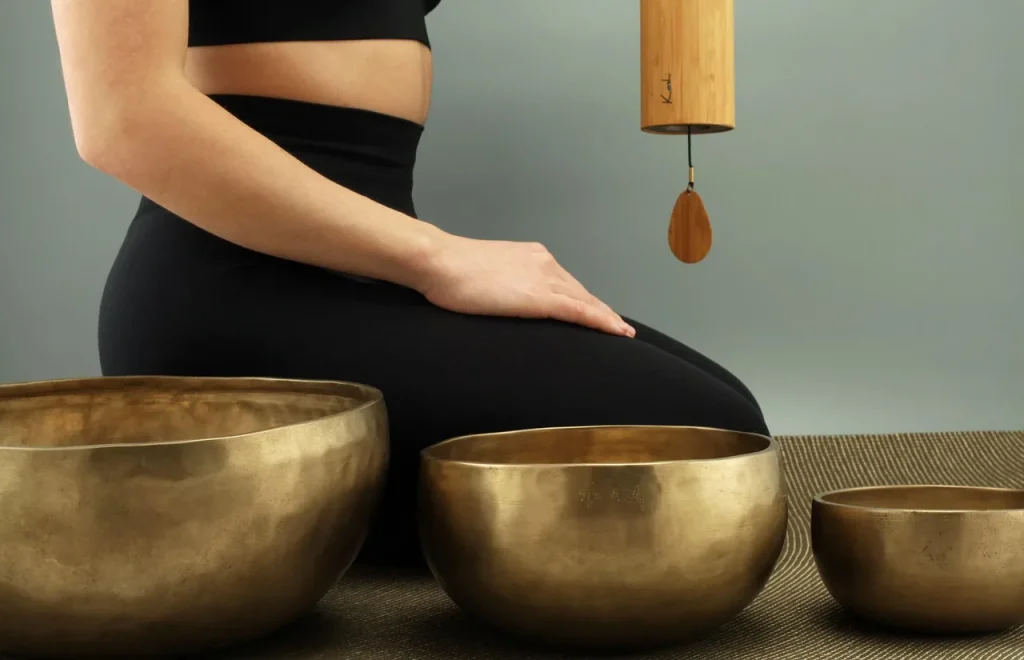
Purpose: this article offers a clear guide to using a singing bowl in crystal healing to care for your stones and preserve their vibrational potential.
The principle is simple: the sounds and vibrations of an instrument that is struck or rubbed act on the energy of minerals. They help release accumulated energies, then revitalize each stone for more effective everyday use.
Practical benefits: a perceived improvement in effectiveness, a sense of clarity, and a short ritual that is easy to incorporate into your routine. The technique begins with a firm strike to start the resonance, followed by a steady movement along the rim until the sound fades.
This guide explains the bowl’s role, when to use it, how to choose one, the movements involved, and how long the ritual takes. It also covers precautions to protect stones from impacts and ensure safe use.
Understanding the Role of the Tibetan Singing Bowl in Crystal Healing Today
Ancient bowls evolved from cooking utensils into sound instruments. Their history illustrates how tradition meets modern crystal healing practices. Their sound supports relaxation and concentration and interacts with minerals.
Origins, Handcrafting, and Metals Associated with Chakras
The earliest bowls were made of wood or stone. Over time, metal alloys made longer-lasting resonance possible.
Bowls are still often made by hand through hammering, which gives them slightly irregular shapes and a distinctive tone. This craftsmanship gives each singing bowl its own sound signature.
Why Musical Vibrations Affect Energy
A strike from the mallet starts the resonance; rubbing the rim amplifies the harmonics. The resulting sound creates a sound field that interacts with the surroundings both physically and perceptually.
“Vibrations shape the space and help disperse accumulated energies.”
Expected Benefits for Stones Saturated with Negative Energy
Minerals, regarded as “energy sponges,” may regain a more harmonious quality after this exposure. People often notice renewed brightness and greater receptiveness to intentions.
| Metal | Chakra | Symbolic effect |
|---|---|---|
| Iron | Root | Grounding |
| Copper | Heart | Emotional openness |
| Silver | Sacral | Sensitivity |
- Choosing a bowl: consider its shape, tone, and feel in your hand according to how you plan to use it.
- Different metals and thicknesses influence the character of the sound and the uses to which the bowl is best suited.
- Combining tradition with contemporary practice makes it possible to include a Tibetan singing bowl in modern rituals.
When to Cleanse and Recharge Stones, Jewelry, and Pendulums
A simple schedule helps preserve the vitality of your energetic objects.
Recommended frequency: a weekly session is ideal. In any case, do not wait longer than a month to avoid a gradual loss of their perceived properties.
Adjust the frequency to your use: if a stone accompanies you through intense experiences, shorten the interval between rituals.

Common Reasons to Perform a Ritual
Always cleanse a stone after buying it, whether it is new or secondhand. Cleanse it after lending it to someone or using it during a treatment, too.
A painful event, such as illness, bereavement, a breakup, or job loss, may also leave an imprint. If you hear crackling during meditation or feel uncomfortable, you may take it as a sign that it is time to act.
- Simple schedule: every week, or at most every month.
- Reasons to act: a purchase, a loan, a treatment, or a difficult event.
- Subjective signs: the stone seems “dull” or feels heavy.
- Extend the practice to jewelry and pendulums while avoiding impacts.
Safety and intention: settle in a quiet, stable place. Set a clear intention before using the singing bowl to support a consistent ritual.
For more information, consult this detailed method for using a Tibetan singing bowl.
Choosing a Tibetan Singing Bowl for Cleansing and Recharging
Size and tone determine how the vibrations affect your minerals. Small bowls produce higher notes that are used to dispel negative energy. They are well suited to cleansing individual pieces of jewelry and bracelets.
Bowls around 15 cm in diameter produce a fuller sound and longer resonance. Take care: larger bowls can transmit strong vibrations that may crack some stones. In that case, arrange the stones around the bowl instead of placing them in direct contact with it.
Alloy, Hand Hammering, and Shape
The blend of metals and hand hammering shape the character of the sound. Differences in thickness change its initial attack and sustain.
Accessories and Handling
- Mallet or striker: a wooden, felt, or leather head changes the initial sound.
- Cushion or cloth: steadies the bowl and reduces rattling.
- Before buying, test how the bowl balances in your palm and listen to it in a quiet place.
| Criterion | Benefit | Practical advice |
|---|---|---|
| Size | Targeted cleansing or enveloping vibrations | Small bowls for jewelry; bowls at least 15 cm across for collections arranged around the instrument |
| Metal and hand hammering | Rich harmonics | Choose according to the tone you hear |
| Accessories | Less unwanted noise and smoother movement | A stable cushion and a suitable mallet |
Cleanse and Recharge Stones with a Tibetan Singing Bowl
Settle in and prepare the space before beginning the ritual. Wash your hands, set a clear intention (cleansing or recharging), and choose a quiet place.

Prepare the Ritual: Stone and Hand Placement and a Positive Intention
Hold the bowl level in your hand or place it on a cushion. Put only one type of stone in the bowl to avoid impacts.
State a brief, specific intention. Keep your hand steady to control the movement.
Inside-the-Bowl Method: Strike, Make It Sing, Move Clockwise, and Let the Sound Fade
Strike the bowl firmly to start the resonance, then rub the rim with the striker in a smooth movement. Keep the bowl singing for about 20 seconds as you move clockwise.
Strike it once more and wait for the sound to fade completely before removing the stone. If you hear rattling, place a thin tissue at the bottom of the bowl.
Around-the-Bowl Method for Large Bowls and Fragile Stones
For bowls at least 15 cm across or for fragile stones, place the bowl on a cushion. Arrange the stones in a ring around it.
Make the bowl sing for about a minute, moving clockwise. This method limits impacts and protects the minerals.
Duration, Repetitions, and Adjustments
Repeat the method once or twice according to how it feels to you. Pay attention to the vibrations and to how gently the sound fades when assessing the result.
| Action | Duration | Advice |
|---|---|---|
| Inside-the-bowl method | About 20 seconds | One type of stone; steady hand |
| Around-the-bowl method | About 60 seconds | Bowls at least 15 cm across; protective cushion |
| Repetitions | 1 to 2 rounds | Stop if the sound becomes harsh |
Finish with a few breaths and a moment of listening to the silence. This practice enriches the listening experience and gives the ritual a sense of completion.
Precautions, Compatibility, and Mistakes to Avoid
Even vibrations considered beneficial can cause damage if the method is unsuitable. Assess each stone before using the singing bowl.

Prevent Cracks, Rattling, and Impacts Against the Bowl’s Wall
Risk: large bowls can crack or break some stones. Use the around-the-bowl method for fragile minerals.
Tip: put a thin tissue at the bottom of the bowl and set it on a stable cushion to limit small impacts and rattling.
Do Not Mix Incompatible Stones; Treat Bracelets and Necklaces Separately
If in doubt, treat only one type of crystal-healing stone at a time. Avoid mixing crystals believed to have opposing energetic uses.
Treat bracelets and necklaces separately. Make sure metal clasps do not strike the bowl’s wall.
- Do not overload the bowl: work in small batches to prevent stones from colliding.
- Keep your hand steady while handling the bowl.
- After each session, gently wipe each stone with a soft cloth.
- If rattling persists, ease the pressure, slow your movement, or change methods.
“Careful use helps stones last longer and preserves the quality of the ritual.”
For practical advice on recharging citrine, consult this dedicated guide.
Other Cleansing and Recharging Techniques
Combining natural elements and sound instruments offers a range of adaptable methods.
Exposure methods: sunlight, moonlight, contact with the earth, or rinsing with water may be suitable depending on the stone.

Moon, Sun, Earth, and Water
The moon offers gentle recharging. The sun is more intense and can alter some gems. Burying a stone for a few hours is used for grounding.
Whether water is suitable depends on the stone; take care with fragile minerals.
Coarse Salt, Sage, and a Home Ritual
Make the Tibetan singing bowl sing in each corner of a room. Wait for the sound to fade before moving to the next corner, and maintain a positive intention.
For white sage smoke cleansing, open the windows and direct the smoke along the walls. Place unrefined coarse sea salt in small dishes; according to the practice, it darkens as it absorbs energy.
| Method | Use | Advice |
|---|---|---|
| Moon | Gentle recharging | Place the stone in moonlight |
| Coarse salt | Absorption | Put small dishes in the corners; replace the salt if it darkens |
| Sage and bowl | Harmonizing | Open the windows; let the sound fade |
Combining methods: use sound alongside natural methods. For example, use moonlight to recharge, the Tibetan singing bowl to bring clarity, and sage to balance the space.
Conclusion
Conclusion: this approach combines speed and subtlety when caring for your gems.
This article summarizes a simple, careful method. You now have a routine for making a singing bowl sing and maintaining the perceived energetic clarity of your minerals.
Adjust the duration, method, and intensity to the situation. Choosing an instrument that is hand hammered and made from an alloy of metals enriches its sound signature and the experience of the ritual.
Follow the precautions: cushion impacts with a tissue, keep stones from striking the bowl’s wall, and use the around-the-bowl method for powerful instruments or fragile gems.
Return to this article whenever you need a reference. Record your observations in a notebook to track how the techniques feel and refine your practice.