
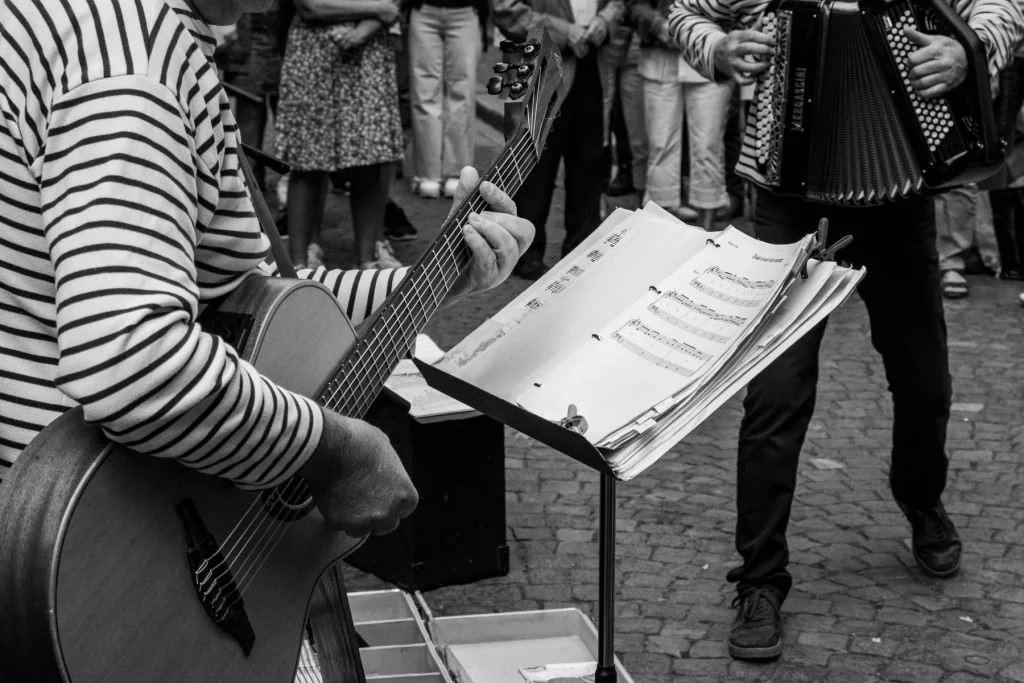
Yvette Horner, the celebrated French accordionist, left an indelible mark on the Tour de France. She took part in the publicity caravan from 1952 to 1964. Perched on the roof of a car, she delighted spectators on eleven occasions.
Her talent and flamboyant personality made her a legend. She brought music and sport together before thousands of fans. With more than 150 records sold, she helped promote France’s musical heritage.
She became an icon of the caravan, entertaining generations of cycling enthusiasts. Her death in 2018, at the age of 95, left an enormous void. Her legacy lives on through those unforgettable moments.
Yvette Horner: an emblematic figure in French music
Born in Tarbes in 1922, Yvette Horner became a celebrated accordionist. Yvette Horner’s biography is marked by success and reflects her extraordinary musical career. More than a musician, she is a symbol of French culture.
Biography and musical career
Yvette Horner began her career in 1947. She recorded more than 300 records, which sold over 30 million copies. In 1948, she won the Coupe Mondiale accordion competition, revealing her talent at an early stage.
She gave more than 2,000 concerts and became immensely popular. Her work helped bring the accordion to a wider audience in France and gave French popular music an international profile.
The accordion’s success
In the 1950s and 1960s, Horner recorded albums that became classics. Her music reached a broad audience and helped popularize the accordion in France.
She won two Grand Prix awards, including the Paris accordion prize, reflecting her standing in the music world. More than a musician, Yvette Horner was an ambassador for French music.
Yvette Horner and the Tour de France: an icon of the publicity caravan
Yvette Horner and the Tour de France formed a memorable partnership. From 1952 to 1963, she joined the Tour’s publicity caravan eleven times. Her charisma captivated the crowds at every stage.
Recognizable by her sombrero and accordion, she became a symbol of the Tour and a cycling icon.
Tour de France fans remember her performances on the podium. Her music gave the event a distinctive character. Her participation in the publicity caravan brought music and cycling together.
The memory of her performances remains close to fans’ hearts. Her melodies and the energy of the Tour bring generations together.

The publicity caravan: an unmissable spectacle
The Tour de France publicity caravan is a festive tradition. It brings color and entertainment to the event. Every year, thousands of spectators watch the spectacle.
A unique role in the Tour
The publicity caravan has evolved while retaining an essential place in the Tour de France. In 2023, it brought together 30 brands and 150 vehicles in a procession 10 kilometers long.
A 2013 study found that half of the spectators had come for the caravan. Brands such as Cochonou see their sales rise during this period, showing the caravan’s value as a promotional opportunity.
Memorable stories from the caravan
Many Tour de France anecdotes are linked to the caravan. Yvette Horner, a Tour mascot for eleven years, is one of its best-known figures. She played at bal-musette dances after the races.
Brands such as Tourtel Twist have handed out promotional items. The caravan is therefore more than a spectacle. Discover more stories about the history of this tradition.
Music and cycling: a lasting connection
Yvette Horner illustrates the relationship between music and cycling. She followed the Tour de France for eleven years, from 1952 to 1963. Her accordion added to the festive atmosphere. In 1961, Jacques Anquetil won while the caravan handed out caps to spectators.
The musical connection between Yvette Horner and the Tour de France runs deep. In the 1960s, the caravan was more than a parade: it offered a moment of escape and shared joy, accompanied by music that captivated the crowds.
Yvette Horner’s presence left its mark on French history. She strengthened the public’s attachment to cycling and music. Her contribution enriched the spectators’ experience and showed the importance of music at sporting events. For more information, read this article here.
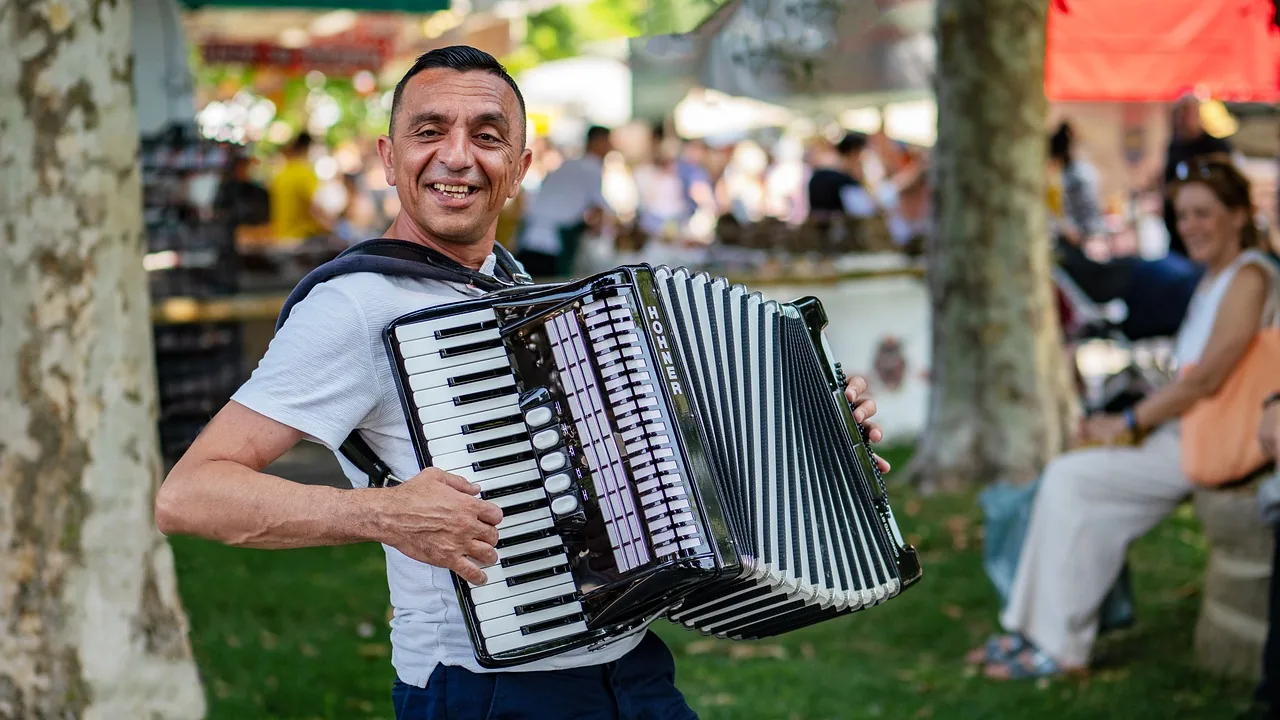
Tour de France traditions in the 1950s
The 1950s marked an important period for the Tour de France. The event became a great celebration of popular culture. Yvette Horner, among other performers, contributed to the excitement surrounding the race.
During this period, the Tour evolved under the influence of music and festivities. Diverse crowds gathered to enjoy this unique experience.
How the sporting event evolved
The Tour de France has evolved since its creation. In 1961, it covered 4,397 kilometers across 21 stages. The Territoire de Belfort played an important role, hosting the race 22 times.
Local events, such as the Grand Prix des jeunes, enriched the experience and showed the community’s commitment to the Tour.
Yvette Horner’s role in popular culture
Yvette Horner was a symbol of the Tour de France in the 1950s. A talented musician, she also embodied cycling culture. Her presence in the publicity caravan reinforced the Tour’s festive character.
Created in 1930, the caravan brought brands together and, for the public, forged a connection between music, sport and entertainment.
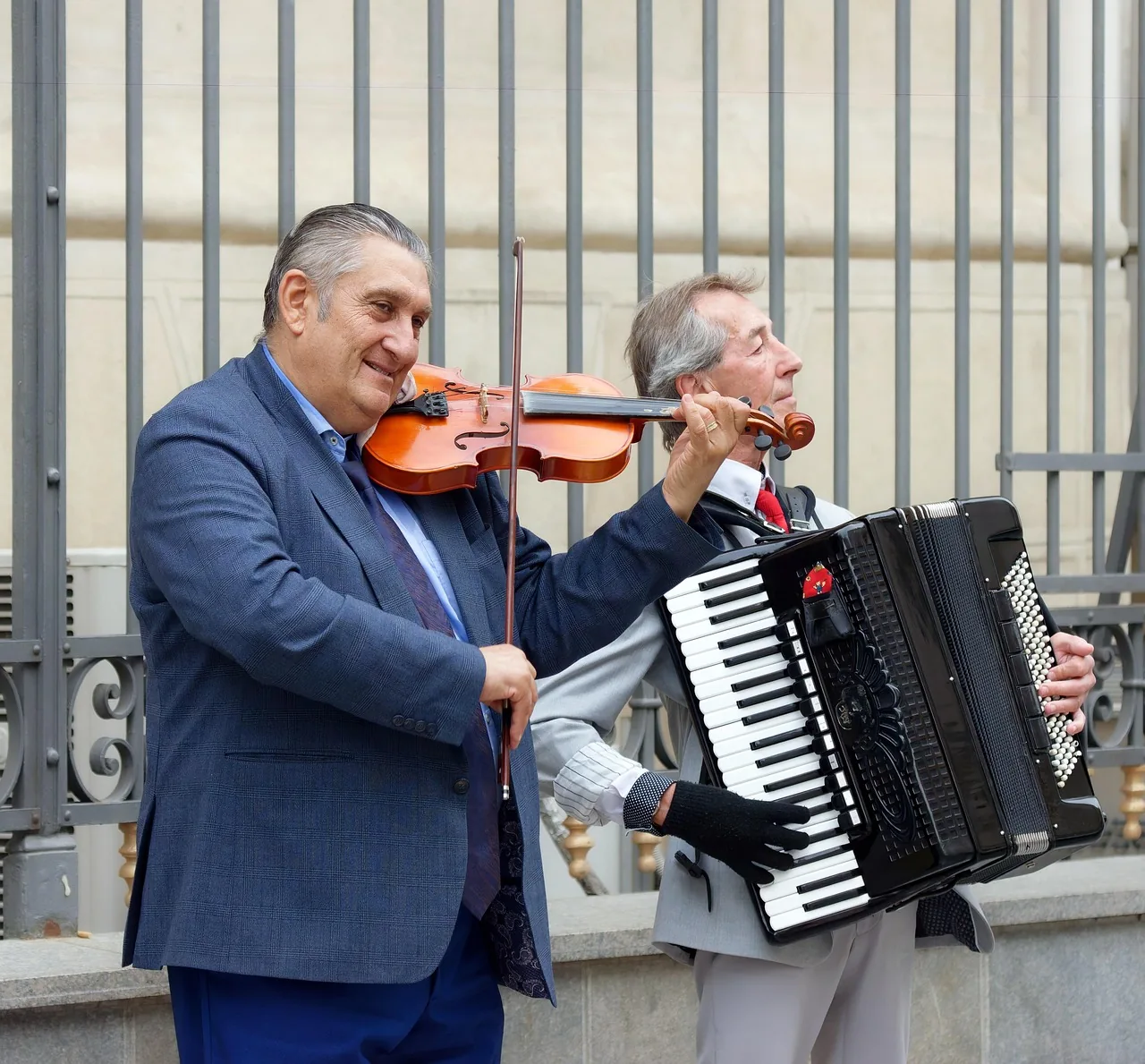
Popular culture and cycling came together in the 1950s. The Tour became a lively social event. Yvette Horner’s accordion played a key role in its musical atmosphere.
She enriched the spectators’ experience, helping make cycling an unmissable spectacle.
To learn more about musical diversity, visit this page.
Conclusion
Yvette Horner left an indelible mark on the Tour de France. Her festive music and charisma helped define the event. She helped make the Tour de France a memorable cultural spectacle.
By bringing art and sport together, she showed the importance of music in cycling.
Yvette Horner continues to inspire people today. Her presence strengthened the bond between music and cycling in France. To learn more, read this document about Yvette Horner.
In celebrating Yvette Horner, we honor an icon of the Tour de France. She brightened the road and touched spectators’ hearts. Her story shows the importance of culture in sport.