

Welcome to our practical guide to accordion maintenance and repair. Whether you are a passionate accordionist or a professional musician, this guide will give you the essential information you need to care for your instrument and address common problems.
Some accordion maintenance and repairs can be carried out by a musician who takes the time to learn about the instrument. The three main areas are the mechanism, the musical components, and the bellows. The most common problems are mechanical, such as misaligned valves or damaged buttons. Basic mechanical maintenance may include lubricating the instrument and replacing worn keyboard felts. The bellows can be difficult to repair: avoid filling holes with glue or putty. If the bellows are torn beyond repair, replacing them entirely is preferable. If you are not comfortable making repairs yourself, consult a professional repairer who specializes in accordions.
This guide will help you extend the life of your accordion and maintain its performance. Read on for detailed steps on caring for and repairing your instrument.
Types of accordion repairs
Accordion maintenance and repair can involve mechanical work, tuning, and bellows repairs. Understanding these types of work will help you keep your instrument in good working order. This section covers the main repairs an accordion may need.
1. Mechanical repairs
Mechanical problems are among the main reasons an accordion may need repair. They include misaligned valves, damaged buttons, and keys that do not work properly. It helps to understand your accordion’s mechanical components and how to repair or replace them when necessary. A professional accordion repairer can diagnose and fix these problems to keep your instrument working properly.
2. Tuning and musical adjustments
Beyond mechanical problems, an accordion may need tuning or other adjustments to its sound. This work can include checking and adjusting the reeds so that they produce the correct notes and harmonies. These adjustments are essential to maintaining your accordion’s sound quality. A professional repairer has the expertise to make them accurately.
3. Bellows problems
The accordion’s bellows may also need repair. They are made from materials that must be handled carefully, so repairing them can be delicate. Common problems include holes, tears, and air leaks. Take appropriate steps to address them without causing further damage. If the bellows are torn beyond repair, they may need to be replaced entirely.
In short, accordion care may involve mechanical repairs, tuning, and work on the bellows. If your instrument develops a problem, consult a professional accordion repairer. They can diagnose and fix it, helping to extend the life of your accordion and preserve its sound quality.
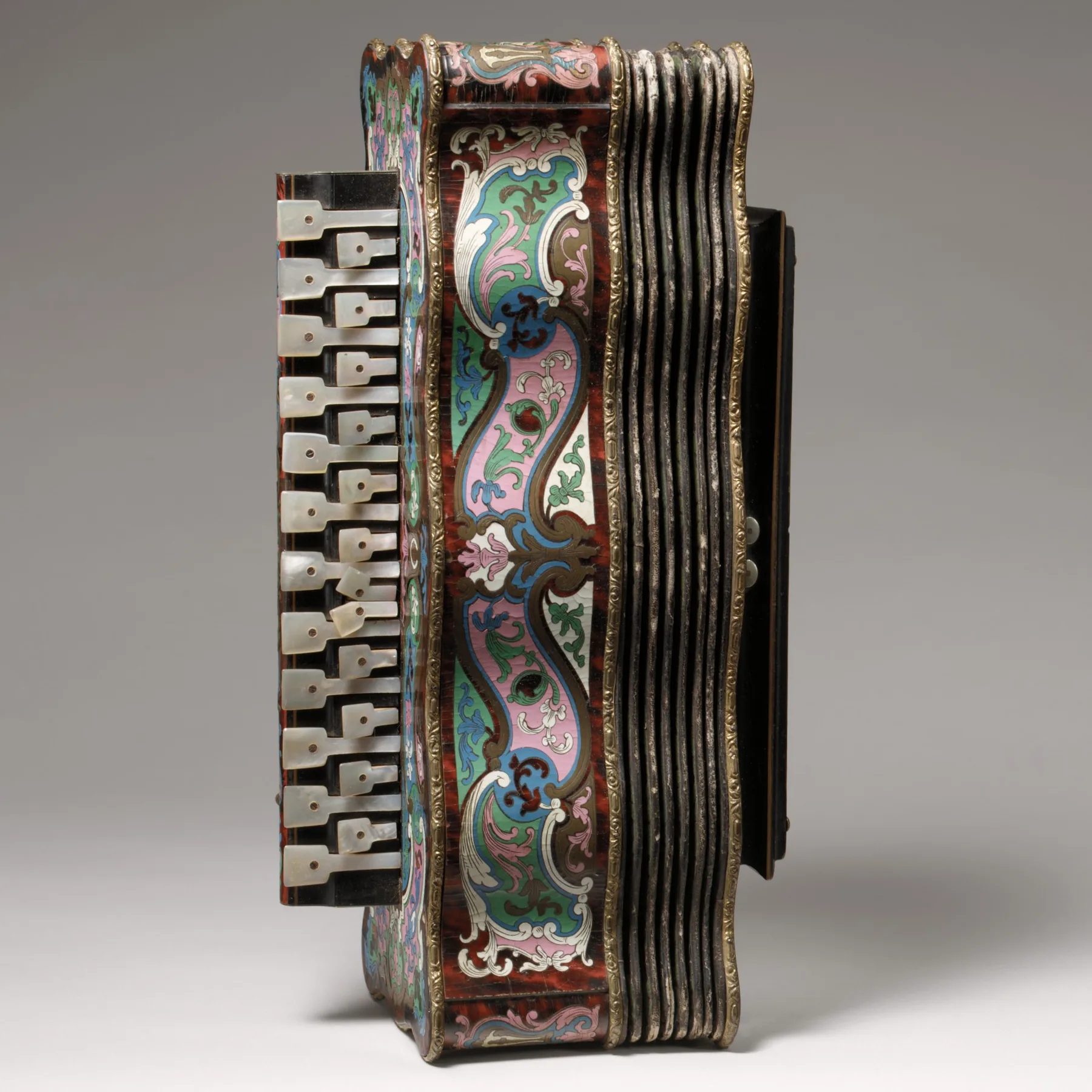
To keep your accordion working properly, carry out basic mechanical maintenance regularly. This includes lubricating the instrument and replacing worn keyboard felts. Because an accordion’s mechanism is complex, follow the appropriate steps to keep it in good condition.
Lubrication is an important part of mechanical maintenance. Lubricating moving parts, such as buttons, springs, and pivots, helps them move smoothly. Use a lubricating oil designed for wind instruments. Apply a small amount to the mechanical parts and wipe away any excess with a clean cloth. Avoid oil that is too thick or too thin, as it could damage the accordion’s components.
Keyboard felts also wear out and need replacing regularly. They are an important part of the accordion’s mechanism, helping the keys respond quickly. If some keys become less responsive or make an unusual noise, the felts may be worn. Replace them with a suitable adhesive and make sure they fit properly. If you are not comfortable doing this repair, consult a professional accordion repairer.

Regular basic mechanical maintenance can extend the life of your accordion and preserve its performance. More complex repairs may require professional help. If you encounter a major mechanical problem, consult a repairer who specializes in wind instruments. An experienced repairer can diagnose the problem and carry out the work needed to restore your accordion.
Repairing accordion bellows
Repairing accordion bellows can be delicate, but a few precautions can help you address common problems without causing further damage. The bellows are essential to the accordion because they provide the airflow that produces sound. Keeping them in good condition helps you get the most from your instrument.
If you notice an air leak or a tear in the bellows, act promptly to prevent it from getting worse. Use tape designed for accordions as a temporary repair for a small tear. This can help keep the bellows airtight until a lasting repair is made.
For a larger tear, or if the bellows are too worn to repair, consult a professional accordion repairer. A specialist has the equipment needed for more complex work, including a complete bellows replacement. This will help you continue playing your instrument comfortably.
| Tips for repairing accordion bellows |
|---|
| Use tape designed for accordions as a temporary repair for a small tear. |
| Act promptly if you find an air leak or tear to prevent the problem from getting worse. |
| For a large tear or excessive bellows wear, consult a professional accordion repairer. |
Image:
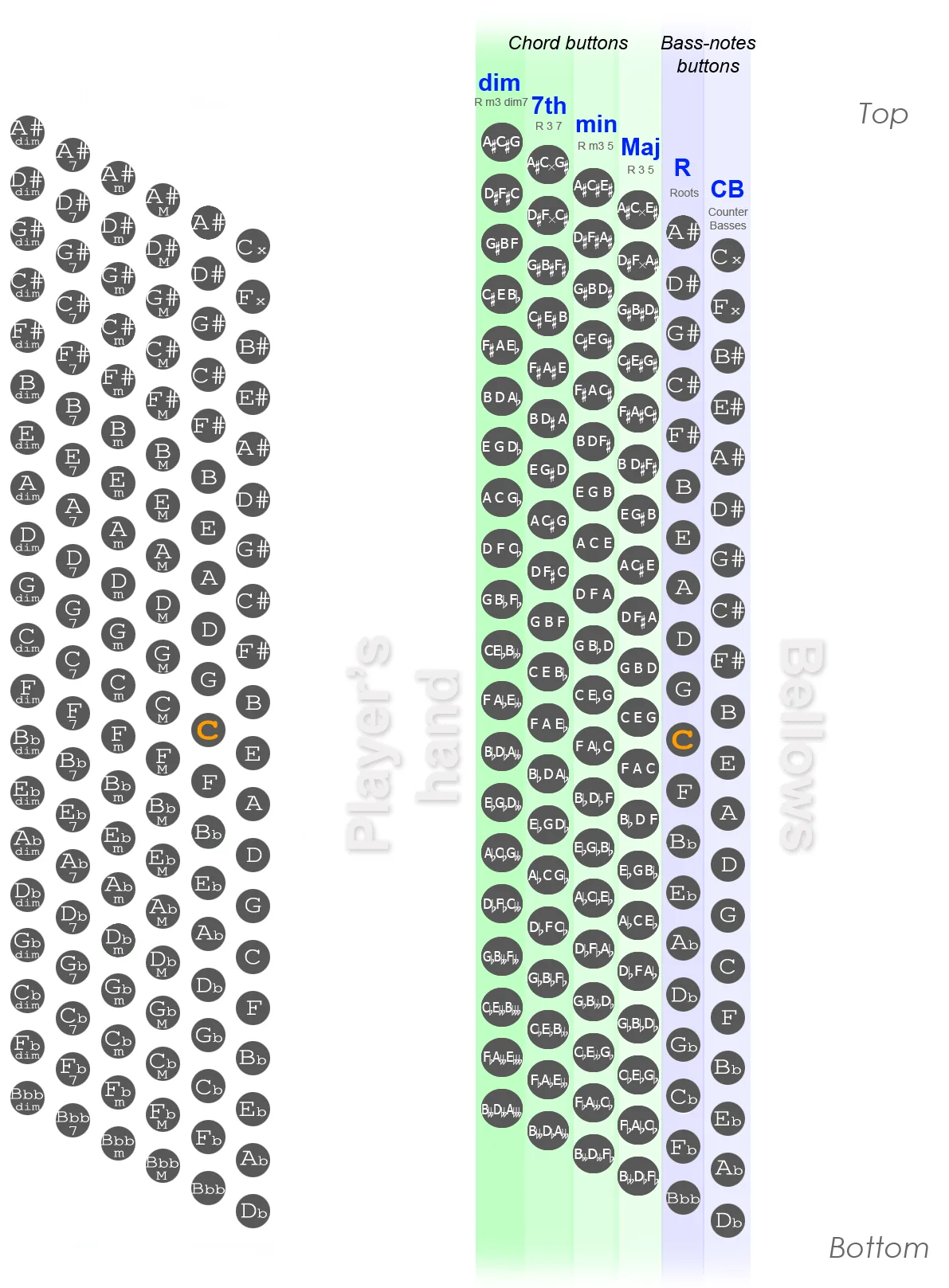
Consulting a professional accordion repairer
If you are not comfortable repairing your accordion yourself, consult a professional who specializes in accordions. These experts are trained to diagnose and resolve mechanical, tuning, and bellows problems. They have the knowledge and skills to make precise, lasting repairs while preserving your accordion’s sound quality and operation.
When you take your accordion to a professional repairer, they can work carefully on its delicate mechanisms. Specialists have the experience and tools to repair mechanical parts and address bellows problems. They can identify and fix valve, button, or bellows faults to restore your instrument to good working order.
Having a professional maintain and repair your accordion can also save you time and effort. Instead of spending hours consulting manuals and trying to solve a problem yourself, you can focus on playing. You can also have confidence that your instrument is in capable hands.
If you are not comfortable repairing your accordion yourself, consult a professional accordion repairer. They can diagnose and resolve mechanical, tuning, and bellows problems, helping to preserve the sound and operation of your instrument. Professional repairs can help keep your accordion in good condition.
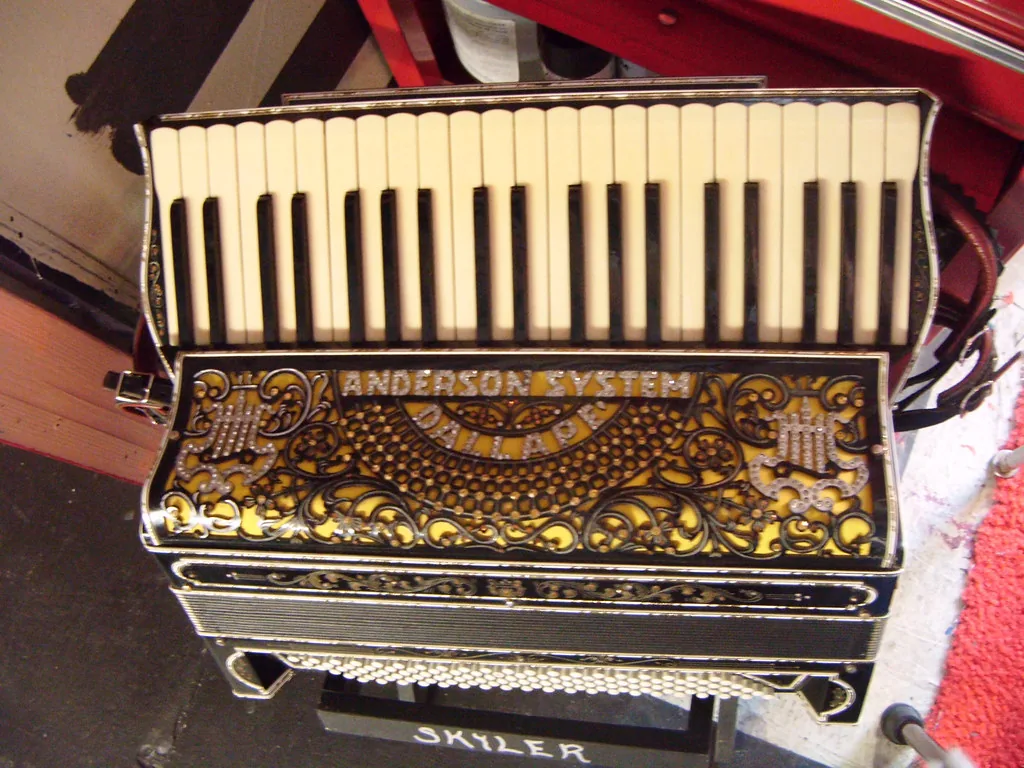
By following the advice in this practical guide, you can care for your accordion, address repairs, extend its life, and maintain its performance.
Accordion maintenance and repair do not always require a professional. Taking time to understand your instrument’s mechanism, reeds, and bellows can help you resolve many common problems.
Mechanical faults, such as misaligned valves or damaged buttons, are among the most common problems. Basic maintenance includes lubricating the instrument when appropriate and replacing worn keyboard felts. These steps help keep your accordion working properly.
Bellows can be difficult to repair, so avoid filling holes with glue or putty. If they are torn beyond repair, replacing them entirely is preferable to preserve the instrument’s sound quality.
If you are not comfortable making these repairs yourself, consult a professional accordion repairer. They can resolve more complex problems and restore your instrument.
Following these tips can extend the life of your accordion and help you enjoy playing it. Return to this practical guide whenever you need advice on maintaining or repairing your instrument.
FAQ
What types of repairs might an accordion need?
Accordion repairs may involve the mechanism, reeds and tuning, or bellows. Common problems include misaligned valves and damaged buttons.
How do I carry out basic mechanical maintenance on an accordion?
Basic mechanical maintenance may include lubricating the instrument and replacing worn keyboard felts. These steps help keep the accordion working properly.
How do I repair accordion bellows?
Repairing accordion bellows can be delicate. Avoid filling holes with glue or putty. If the bellows are torn beyond repair, replacing them entirely is preferable.
Should I consult a professional accordion repairer?
If you are not comfortable making repairs yourself, consult a professional who specializes in accordions. They can assess your instrument and carry out the necessary repairs.