
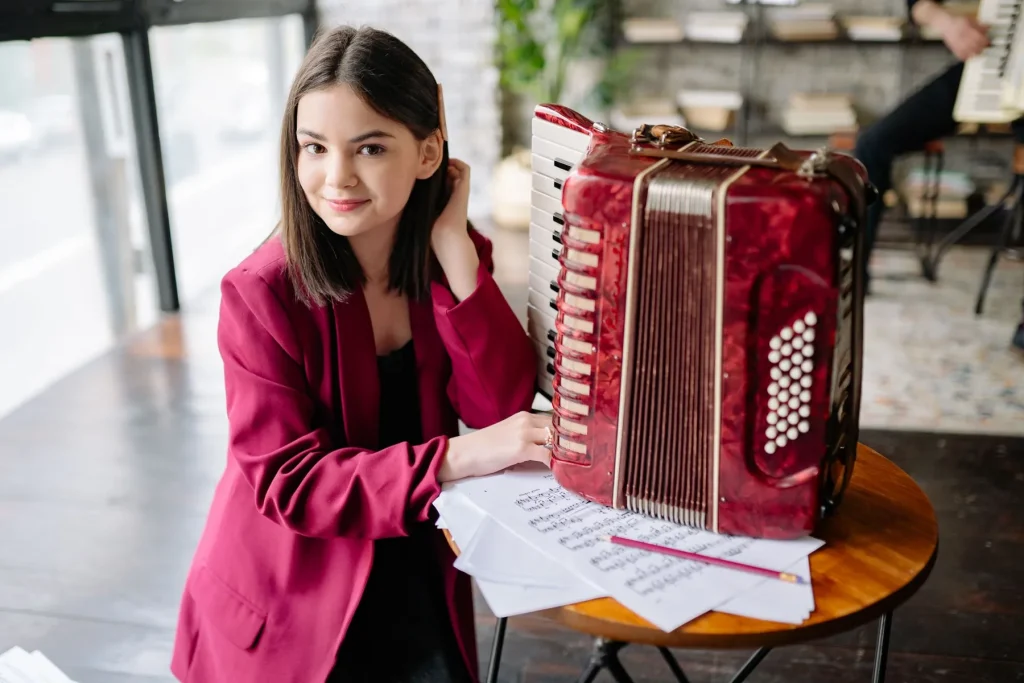
Discover “The Accordion and Tango: A Passionate Partnership.” Explore the unique and exciting relationship between these two iconic musical arts.
Argentine tango emerged in the outskirts of Buenos Aires and Montevideo in the nineteenth century. It was influenced by dances and music from many cultures, from rural Argentine dances and European dances to African rhythms. Mass immigration to Argentina at the time helped bring these influences together. Tango evolved through different artistic periods while retaining its passionate, sensual character. It is danced by couples whose partners share a close connection. The accordion is often associated with tango, bringing expressive, moving melodies to this passionate dance. Tango has become an iconic form of cultural expression in Argentina and Uruguay. It continues to inspire dancers and musicians around the world.
The origins of Argentine tango
Argentine tango emerged in the outskirts of Buenos Aires and Montevideo in the nineteenth century. It was influenced by dances and music from many cultures, from rural Argentine dances and European dances to African rhythms. Mass immigration to Argentina at the time helped bring these influences together.
Tango evolved through different artistic periods while retaining its passionate, sensual character. It is danced by couples whose partners share a close connection. The accordion is often associated with tango, bringing expressive, moving melodies to this passionate dance.

Cultural influences
Argentine tango is the product of a unique blend of cultures. Rural Argentine dances such as the zamba and milonga mingled with European dances such as the polka and mazurka, brought by immigrants. African rhythms rooted in the musical traditions of enslaved people also played an important role in tango’s creation.
This fusion of styles and rhythms gave rise to a new musical genre and dance that embodied passion and emotion. Tango became a means of expression for the working classes of Buenos Aires, reflecting the realities of urban life and the intense feelings of its people.
A symbol of Argentine identity
Today, tango is much more than a dance or a form of music. It is a symbol of Argentine identity, representing the passion and grace of a people. It is part of Argentines’ everyday lives and holds a central place in their culture.
Tango also continues to fascinate and inspire dancers and musicians around the world. Its timeless beauty and ability to express an endless range of emotions make it a universal art form.
| Country of origin | Typical instruments | Associated styles |
|---|---|---|
| Argentina | Accordion, guitar, violin | Milonga, waltz, candombe |
| Uruguay | Bandoneon, piano, violin | Candombe, murga, tango canción |
How tango has evolved over time
Tango has evolved through different artistic periods while retaining its passionate, sensual character. Emerging in the outskirts of Buenos Aires and Montevideo in the nineteenth century, Argentine tango was shaped by dances and music from many cultures. Rural Argentine dances, European dances and African rhythms converged to create a unique and captivating style.
Mass immigration to Argentina at the time also played an important role in bringing these influences together. European immigrants brought their dances and music, contributing to tango’s development. As tango grew, it passed through different artistic periods, each marked by particular stylistic influences.
Tango’s golden age in the 1930s was marked by internationally renowned tango orchestras and the emergence of great singers and dancers. It was followed by a silver age in which new dance techniques and musical styles helped tango evolve. Today, modern tango continues to explore new artistic directions while remaining true to its passionate, sensual roots.
| Period | Influences | Characteristics |
|---|---|---|
| Tango’s origins | Rural Argentine dances, European dances, African rhythms | Passionate, sensual |
| Tango’s golden age | International tango orchestras, renowned singers and dancers | Artistic innovation, international recognition |
| Silver age | New dance techniques, new musical styles | Artistic development |
| Modern tango | Contemporary influences, artistic exploration | Innovation, diversity |
The close relationship between music and dance is central to tango’s evolution. Dancers express themselves through movements that harmonize with the music, bringing the two together. This connection gives tango its emotional power and irresistible charm.
The accordion in tango
The accordion is often associated with tango, bringing expressive, moving melodies to this passionate dance. The instrument has played a crucial role in the development of Argentine tango, adding a distinctive musical color to this captivating art form. Talented accordionists have drawn on the instrument’s many possibilities to create enchanting melodies that have delighted dancers and audiences around the world.
With its warm sound and ability to create rhythmic variations, the accordion adds another dimension to tango music. It accompanies dancers with rich harmonies and creates an intimate, passionate atmosphere. Accordionists combine emotion and virtuosity, bringing every note to life and encouraging dancers to express the full beauty of this sensual dance.
The art of the accordion in tango
Playing the accordion in tango requires particular technique and sensitivity. Virtuoso accordionists combine complex playing techniques with a deep understanding of tango music to create distinctive interpretations. Their ability to improvise and interact with the dancers brings energy and spontaneity to every performance.
| Famous tango accordionists | Country |
|---|---|
| Astor Piazzolla | Argentina |
| Aníbal Troilo | Argentina |
| Osvaldo Pugliese | Argentina |
These masters of the accordion shaped the sound of modern tango and inspired generations of musicians and dancers. Their contribution to tango music remains invaluable and continues to influence this passionate art form.
Tango as cultural expression
Tango has become an iconic form of cultural expression in Argentina and Uruguay. It continues to inspire dancers and musicians around the world. Emerging in the outskirts of Buenos Aires and Montevideo in the nineteenth century, it reflects a blend of dances and music from different cultures.
Tango draws on rural Argentine dances, European dances and African rhythms. A major wave of immigration to Argentina at the time made this unique fusion possible: different influences met and gave rise to a new genre of music and dance.
Tango continues to evolve through different artistic periods while retaining its passion and sensuality. Danced by couples, it creates a close connection between partners, who express themselves through graceful, intense movements.
Table: Cultural influences in tango
| Culture | Influences |
|---|---|
| Argentine culture | Rural Argentine dances |
| European culture | European dances |
| African culture | African rhythms |
The accordion, an iconic tango instrument, brings expressive and moving melodies to this passionate dance. Through their virtuosity and contribution to the development of this fascinating music, accordionists play an essential role in tango.
Tango is much more than a dance or a style of music: it is a cultural expression that embodies the spirit of Argentina and Uruguay. It has preserved these countries’ traditions and values while exerting considerable influence on dance and music around the world. Tango continues to captivate dance and music lovers, and its cultural impact is undeniable.
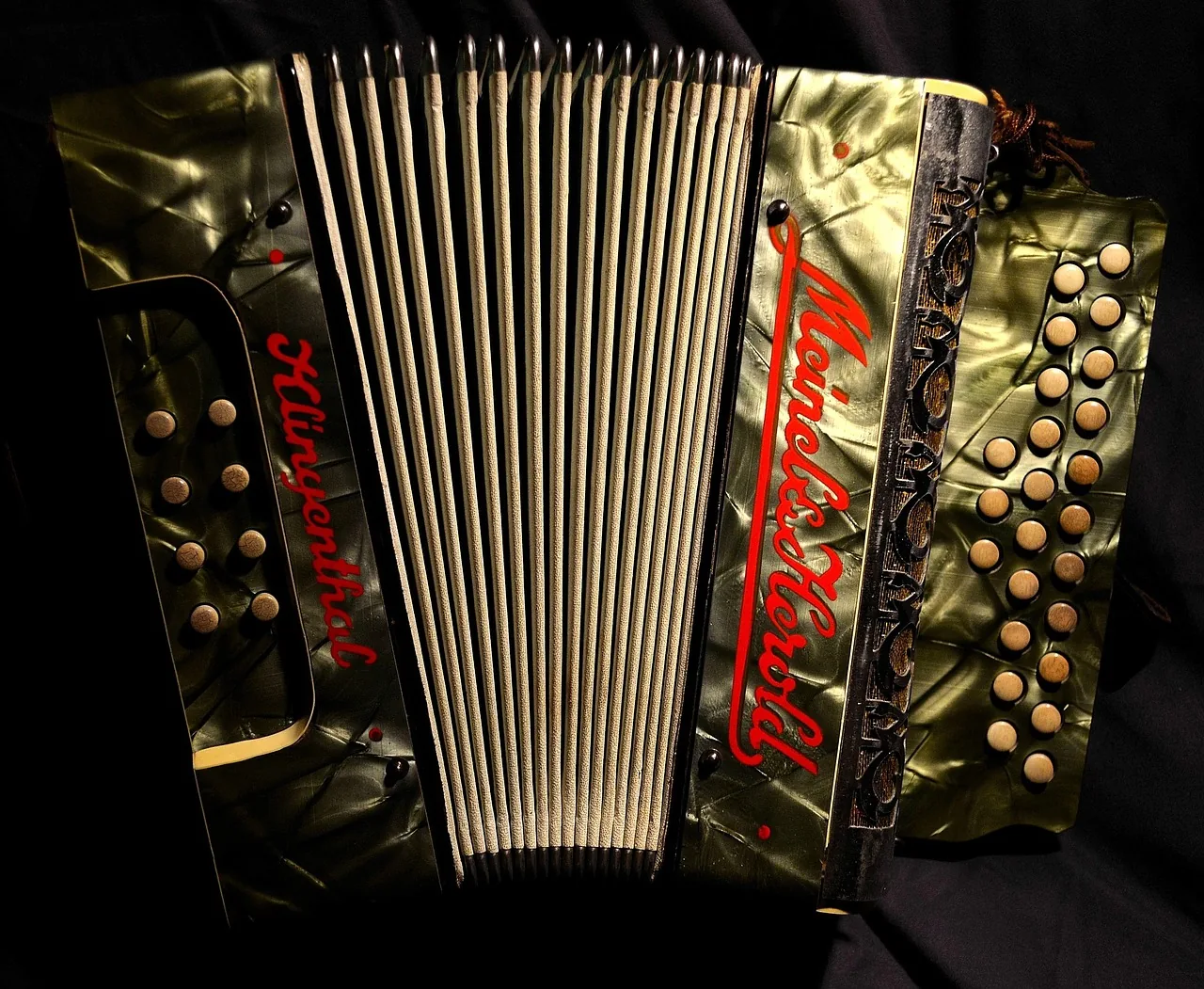
In short, tango is much more than entertainment: it is an artistic expression that crosses borders and brings cultures together. Its beauty and passion continue to inspire artists and leave a lasting impression, making tango a cultural icon of Argentina and Uruguay.
Tango’s enduring appeal
Tango continues to attract people around the world, both as a dance and as a musical genre. This passionate art form captivates people from all cultures through its beauty and emotional depth. Tango requires an intimate connection between partners, with fluid, synchronized movements that reflect the music’s history and emotion.
Tango has also become a musical genre in its own right, with captivating rhythms and melodies. Its compositions often convey powerful emotions, creating a distinctive listening experience. Whether danced or heard, tango offers an artistic escape that lets people reconnect with their feelings and immerse themselves in a passionate world.
Tango’s appeal extends far beyond Argentina and Uruguay, where it originated. Communities of passionate dancers and musicians in many countries share a love for this captivating art form. Tango festivals around the world bring together talented artists and devoted enthusiasts who share a passion for the dance and its music.
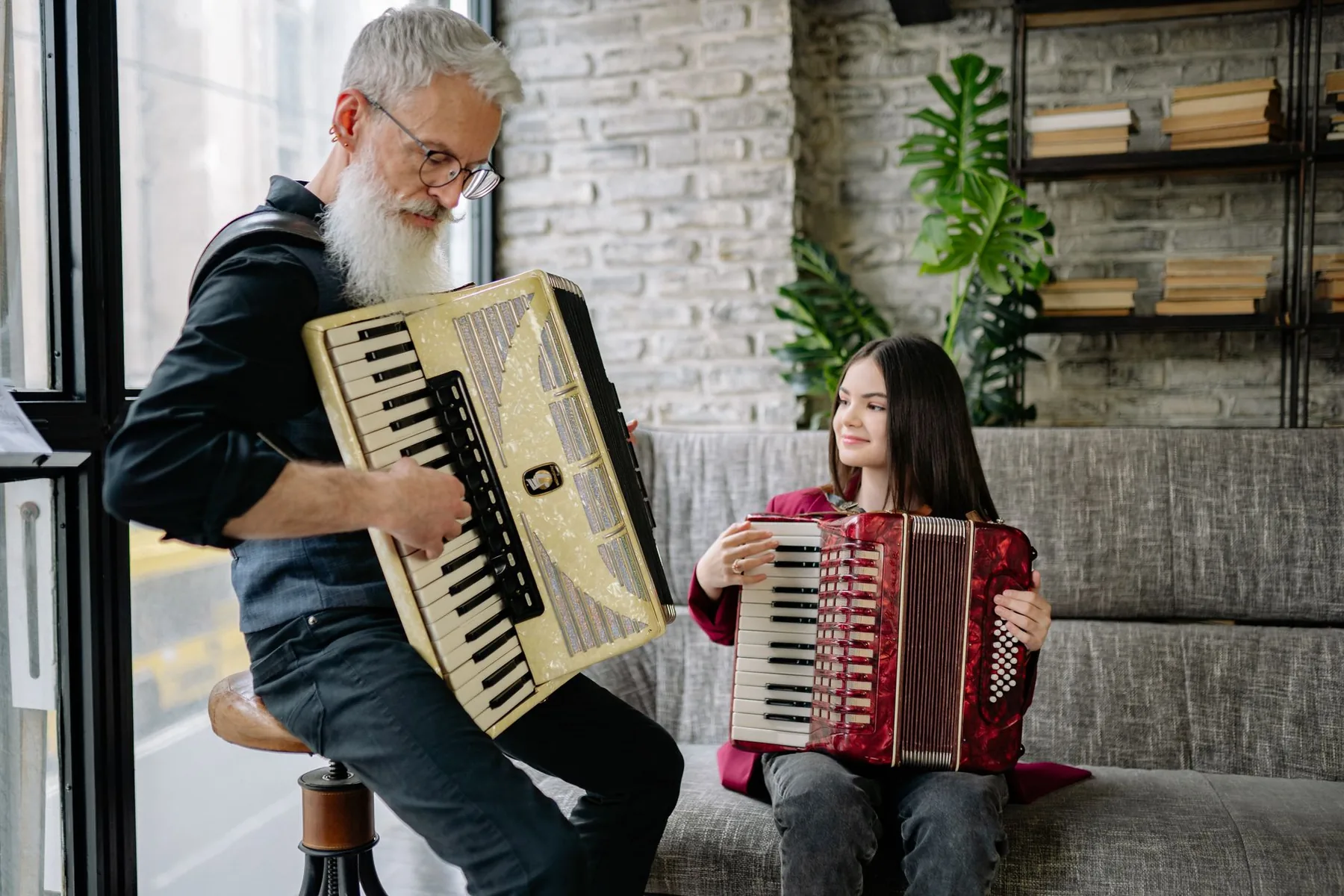
Tango’s appeal continues to grow and reach people around the world. Whether moving gracefully across the dance floor or listening to its captivating melodies, people find a unique cultural and artistic experience in tango. It honors the history and passion of Argentina and Uruguay while crossing borders and inspiring people from every culture to discover this compelling form of expression.
Conclusion
In conclusion, the passionate partnership between the accordion and tango shows the lasting appeal of this captivating art form.
Argentine tango emerged in the outskirts of Buenos Aires and Montevideo in the nineteenth century. Influenced by dances and music from many cultures, including rural Argentine dances, European dances and African rhythms, it took shape as these influences came together amid mass immigration to Argentina.
Tango has evolved through different artistic periods while retaining its passionate, sensual character. Danced by couples, it creates a close connection between partners. Bodily expression and musicality come together to create a unique experience.
The accordion is often associated with tango, bringing expressive, moving melodies to this passionate dance. It conveys the music’s full emotional richness, heightening tango’s intensity and magic.
Today, tango is an iconic form of cultural expression in Argentina and Uruguay that helps preserve their distinctive cultural heritage. It continues to inspire dancers and musicians around the world, sustained by enduring passion and enthusiasm.
FAQ
What are the origins of Argentine tango?
Argentine tango emerged in the outskirts of Buenos Aires and Montevideo in the nineteenth century, influenced by dances and music from many cultures.
How has tango evolved over time?
Tango has passed through different artistic periods while retaining its passionate, sensual character.
What role does the accordion play in tango?
The accordion is often associated with tango and brings expressive, moving melodies to this passionate dance.
How did tango become an iconic form of cultural expression?
Tango has become an iconic form of cultural expression in Argentina and Uruguay. It inspires dancers and musicians around the world.
Why does tango continue to attract enthusiasts?
Tango continues to attract enthusiasts through its beauty and its influence on cultures around the world.