
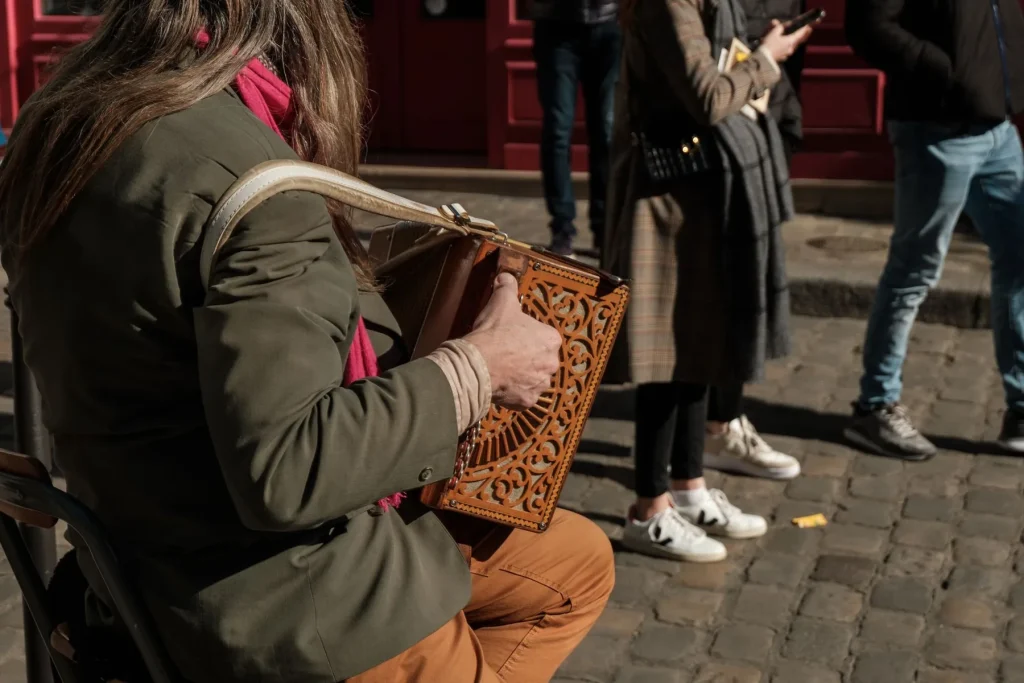
The accordion plays an essential role in film music, bringing a distinctive emotional and narrative dimension to it. Film music plays an important part in expressing emotions and telling a story. It underscores the action on screen, strengthens the mood of a scene and can even convey a character’s inner feelings. In some cases, it changes how viewers perceive a film and enriches their experience of it.
For example, the theme from “Jaws” creates a sense of fear and apprehension among viewers. Film music can also express a region’s culture and traditions, as in films featuring yootzing and yodelling in central Switzerland. It thus contributes to both emotion and storytelling in cinema.
How the accordion is used in film music
In film music, the accordion lends itself to a wide range of uses, from light, cheerful melodies to powerful, dramatic chords. This versatile instrument can create a distinctive atmosphere and give films emotional depth.
The accordion can carry the main melody: its distinctive sound immediately catches the listener’s attention. It can also serve as an accompanying instrument, adding a rich harmonic texture and supporting other instruments or voices.
The soundtrack to the French film “Amélie” offers a famous example of the accordion in cinema. Composed by Yann Tiersen, it includes many pieces that feature the instrument and evoke the film’s nostalgic, romantic atmosphere.
Examples of the accordion in film music:
| Film | Composer | Piece featuring accordion |
|---|---|---|
| Amélie | Yann Tiersen | La Valse d’Amélie |
| Life Is Beautiful | Nicola Piovani | Life is Beautiful |
| Rolling to You | Sofian El Gharbaoui | Accordéon Quartet |
The accordion can also create contrasts in film music. Light, cheerful passages can alternate with powerful, dramatic chords to convey changes in emotion or tension during a scene. Its use gives composers many creative possibilities and contributes to the cinematic experience.

The accordion’s role in cinematic storytelling
The accordion plays a key role in cinematic storytelling: it highlights characters’ emotions and strengthens a scene’s atmosphere. Used across different film genres, this versatile instrument adds another dimension to the visual experience. It has a place in many productions, whether creating a romantic atmosphere, stirring nostalgia or heightening dramatic tension.
With its distinctive sound, the accordion can convey a wide range of emotions. Its wistful, lingering notes can express a character’s sadness or pain, while its lively, cheerful melodies suggest joy and lightness. Its warm, intimate tone creates an emotional connection with viewers and invites them to feel the emotions expressed on screen.
Beyond its emotional role, the accordion contributes to the plot and to character development. It can be associated with particular places, periods or cultures, reinforcing a film’s authenticity and drawing viewers into its world. For example, in “Amélie”, the accordion accompanies the heroine as she explores Paris and creates a bohemian, romantic atmosphere that reflects her state of mind.
Excerpt from a scene in “Amélie”:
“The accordion played in the streets. The tune was so gentle that I thought it was raining inside.”
— Amélie Poulain
In genres as varied as drama, romantic comedy and period film, the accordion brings a particular color to the soundtrack. It can support dialogue, intensify action scenes or simply create a nostalgic mood. As a storytelling tool, it allows directors to convey emotions with subtlety and force, heightening a film’s effect.

| Film | Use of the accordion |
|---|---|
| Amélie Poulain | Musical accompaniment for the heroine and a stronger romantic atmosphere |
| Amélie | Exploration of Paris and creation of a bohemian, romantic mood |
| The Chorus | Expression of the characters’ emotions through choral singing and the accordion |
The accordion thus holds a special place in cinematic storytelling. It enriches the soundtrack and contributes to viewers’ emotions and immersion. This versatile instrument continues to charm film lovers around the world and make their cinematic experiences memorable.
The accordion’s emotional impact in film music
In film music, the accordion can stir feelings of nostalgia, romance or melancholy. Its distinctive sound allows composers to create varied atmospheres and strengthen the expression of emotion in films.
With its broad range of sounds, from soft, melodious notes to powerful, passionate chords, the accordion can evoke different emotions during a scene or film. It can, for example, bring sadness and nostalgia to a story of lost love or give a celebration scene a joyful, festive mood.
“Music is the soul of cinema. The accordion is the soul of film music.” — Quote attributed to Jean-Pierre Jeunet
Film music, and the accordion in particular, helps create an emotional connection between viewers and the characters on screen. The instrument can underscore key moments in a film, bring characters to life and create an atmosphere that stays with viewers long after the credits roll. Its ability to evoke powerful emotions makes it a favored choice for many film composers.
| Scenario | Emotion |
|---|---|
| Tragic romance | Nostalgia, melancholy |
| Festive setting | Joy, celebration |
| Intense action scene | Excitement, tension |
The accordion therefore plays an essential role in film music, both emotionally and narratively. Its distinctive sound and ability to evoke a wide range of emotions make it a versatile, expressive instrument. Whether conveying the sadness of lost love or bringing a festive mood to a celebration, it helps make the cinematic experience memorable.
The importance of the accordion in film soundtracks
The accordion holds an important place in film soundtracks: it draws viewers into the story and enriches their cinematic experience. This versatile instrument brings an emotional and narrative dimension to films, helping directors convey feelings and create a particular atmosphere.
With its rich, expressive sound, the accordion can convey emotions ranging from melancholy to joy and tension. It can also evoke a culture or place and bring a touch of authenticity to a soundtrack. For example, in the French film “Amélie”, the accordion creates a nostalgic, romantic mood reminiscent of the picturesque streets of Paris.
The accordion also strengthens storytelling. Its ability to move from a light tone to a darker one allows it to reflect dramatic changes in the plot. It can also provide subtle musical cues that guide viewers through the story and help immerse them in it.
| Benefits of the accordion in film music | Examples of films using the accordion |
|---|---|
| Adds an emotional and narrative dimension | “Amélie” |
| Reflects the culture and atmosphere of a place | “Cinema Paradiso” |
| Strengthens the story and guides viewers | “The Grand Budapest Hotel” |
Whether it evokes a bygone era, creates a particular atmosphere or heightens a scene’s emotion, the accordion plays an essential role in creating an immersive, memorable soundtrack.
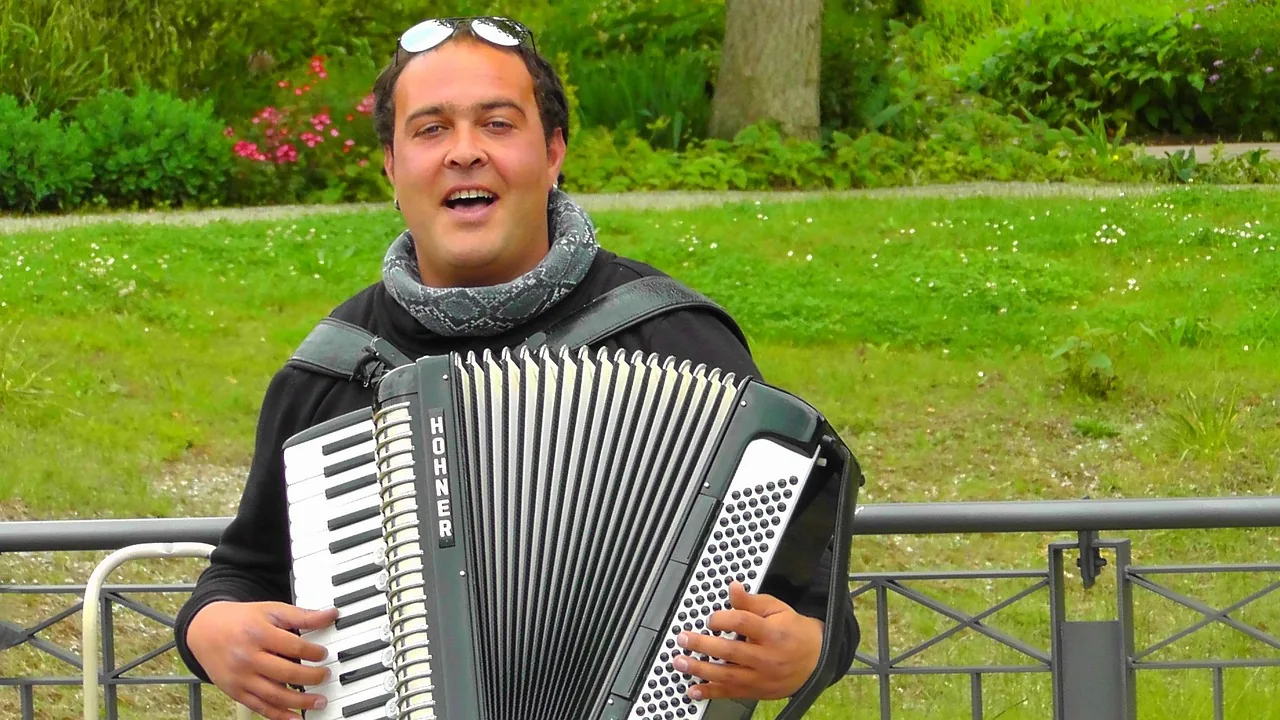
Image:
Using the accordion to create a cinematic atmosphere
The accordion can help create a cinematic atmosphere, particularly by evoking a place or a particular mood. This versatile instrument conveys a range of emotions and strengthens viewers’ visual experience.
For example, in the French film “Amélie”, accordion music creates a warm, nostalgic atmosphere that evokes the charm of Paris and the spirit of earlier times. This musical choice transports viewers into the film’s world and strengthens their emotional connection with the characters.
The accordion can also evoke particular cultures. In “Amélie”, its music is associated with French culture and adds another dimension to the story. It reinforces the narrative’s authenticity and brings out certain features of French society.
Example of accordion music in “Amélie”
“La Valse d’Amélie” is an iconic piece from “Amélie”. Composed by Yann Tiersen, this gentle, captivating melody is played on the accordion and creates a magical atmosphere throughout the film. It has become a symbol of the love story and the main character’s dreamy spirit.
The accordion thus helps create the atmosphere of many films. Its distinctive sound and versatility can evoke emotions, represent a culture and draw viewers deeper into the story. Whether suggesting a place or creating a particular mood, it enriches the cinematic experience.
| Benefits of using the accordion in film music |
|---|
| Creates a distinctive cinematic atmosphere |
| Draws viewers further into the story |
| Evokes emotions and cultures |
The accordion’s influence on storytelling in films
The accordion can influence a film’s storytelling by moving the plot forward and providing musical accompaniment to events. Its expressive sounds heighten the characters’ emotions and contribute to the film’s atmosphere. In action scenes, romantic moments and melancholy passages alike, it adds a dimension to cinematic storytelling.
For example, in the French film “Amélie”, accordion music accompanies the heroine’s adventures, highlights her inner thoughts and creates a sense of lightness and joy. As Amélie walks through the streets of Paris, a cheerful accordion melody evokes the city’s bohemian, romantic atmosphere. This use of the instrument strengthens the emotional bond between the audience and the character while transporting viewers into Amélie’s fanciful world.
The accordion can also create a nostalgic or dramatic atmosphere. Its distinctive tone sometimes evokes memories or heightens tension. For example, in the Italian film “Cinema Paradiso”, it plays a central role in the soundtrack and creates a melancholy mood that reflects the protagonist’s love of cinema and his childhood memories of a small Italian village.
Example of an accordion sequence in a film:
“Amélie” — the scene of a walk through the streets of Paris
The accordion therefore plays an important role in film storytelling: it expresses varied emotions and helps create a recognizable atmosphere. Its use in soundtracks can add depth to characters, accompany the plot and immerse viewers in a film’s world.
| Film | Director | Release date |
|---|---|---|
| Amélie Poulain | Jean-Pierre Jeunet | 2001 |
| Cinema Paradiso | Giuseppe Tornatore | 1988 |
| Jaws | Steven Spielberg | 1975 |
The accordion as a storytelling tool in film music
In film music, the accordion is a storytelling tool that enriches characters’ journeys and adds depth to the story. This versatile instrument can evoke many emotions, from joy and sadness to love and nostalgia. Its distinctive sound and expressiveness create a cinematic atmosphere that captivates viewers and transports them into the film’s world.
With its broad range of sounds, from soft, melancholy notes to lively, rhythmic chords, the accordion can accompany characters’ development and highlight changes in their emotions. In a romantic film, for example, it can express a growing love between the protagonists; in a drama, it can symbolize sadness and loss.
The accordion can also evoke cultures or places. Its presence in film music sometimes brings to mind rural scenes, picturesque landscapes or traditional celebrations. It thus contributes to the authenticity of a film’s world and draws viewers further into it.
The accordion offers a variety of sounds and emotions that enrich cinematic stories. Its versatility and expressiveness allow it to accompany characters’ development and create a memorable mood.
| Benefits of the accordion in film music |
|---|
| Adds an emotional dimension |
| Strengthens characters’ narrative journeys |
| Creates a distinctive cinematic atmosphere |
| Evokes different cultures and places |
Conclusion
The accordion plays an essential role in film music: it expresses varied emotions and strengthens cinematic storytelling. Film music underscores the action on screen, heightens a scene’s atmosphere and can even convey a character’s inner feelings. In some cases, it changes how viewers perceive a film and enriches their experience of it.
For example, the theme from “Jaws” creates a sense of fear and apprehension among viewers. Film music can also express a region’s culture and traditions, as in films featuring yootzing and yodelling in central Switzerland. It thus contributes to both emotion and storytelling in cinema.
The accordion allows composers to create atmospheres that evoke nostalgia, romance or melancholy. Its range of sounds and techniques enriches the soundtrack. It can also serve the story by accompanying characters’ development and giving it depth.
A versatile, expressive instrument, the accordion can create a particular mood, influence storytelling and evoke many emotions. Composers’ use of it helps make the cinematic experience more immersive and memorable for viewers.
FAQ
What role does film music play in emotion and storytelling?
Film music plays an important role in expressing emotions and telling a story. It underscores the action on screen, strengthens a scene’s atmosphere and can even convey a character’s inner feelings.
How can film music change viewers’ perceptions?
Music can change how viewers perceive a film and enrich their experience of it. For example, the theme from “Jaws” creates a sense of fear and apprehension.
Can film music express a region’s culture?
Yes, film music can express a region’s culture and traditions. Some films feature yootzing and yodelling in central Switzerland.