
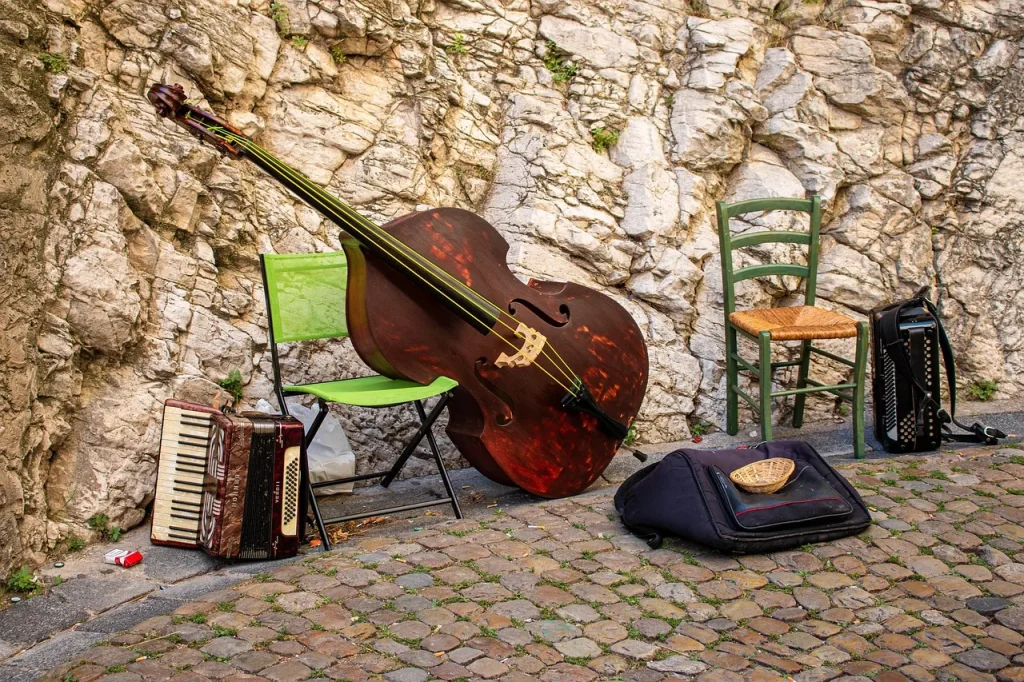
The accordion is an iconic musical instrument in French popular music and a true cultural symbol. Also known as the “squeeze box” and the “piano with straps,” it played a central role in celebrations and popular events in France throughout the 20th century. Introduced to the country in the 1920s by Italian immigrants and people from Auvergne, the accordion gave rise to a distinctive genre called the musette waltz. It also found a place in jazz and became associated with the Roaring Twenties and France’s postwar boom years.
Over the years, the accordion has had its ups and downs, but enthusiasts have always kept its tradition alive and helped restore its standing. Competitions, festivals and dances have helped preserve the instrument and let it evolve with the times. Famous musicians such as Yvette Horner and Richard Galliano have also played an essential role in bringing the accordion back into the spotlight, incorporating it into styles ranging from rap and rock to French chanson.
Today, the accordion is enjoying renewed popularity. Young French musicians win international competitions, music schools and conservatories open accordion departments, and lunchtime dances return to the guinguettes, France’s traditional outdoor dance venues. The accordion is no longer seen as old-fashioned and continues to shape the French music scene.
The accordion in 20th-century French popular music
The accordion played a central role in 20th-century French popular music, especially at public celebrations and social events such as fairs and fêtes. Also nicknamed the “squeeze box” or the “piano with straps,” the instrument became an iconic musical symbol of French culture.
Introduced to France in the 1920s by Italian immigrants and people from Auvergne, the accordion quickly gained popularity. It gave rise to a new genre called the musette waltz, known for its lively rhythm and cheerful melodies. At its height during the Roaring Twenties, accordion music was inseparable from bustling Parisian cafés and the era’s zest for life.
The accordion also experienced periods of decline. In the 1950s, Anglo-American music and electric guitars overtook it on the music scene. Even so, enthusiasts kept the accordion tradition alive through competitions, festivals and dances, preserving its heritage and its place in French music.
Today, the accordion is enjoying renewed popularity. Young French musicians win international competitions, while music schools and conservatories open departments devoted to teaching the instrument. Lunchtime dances, a distinctly French tradition, are also regaining popularity at guinguettes, where the accordion is once again valued for its warm sound and the festive atmosphere it creates.
| Key events | Date |
|---|---|
| Introduction of the accordion to France by Italian immigrants and people from Auvergne | 1920s |
| Emergence of the musette waltz | 1920s–1930s |
| Decline of the accordion as Anglo-American music and electric guitars gained ground | 1950s |
| Renewed popularity of the accordion | 2000s to the present |
Some famous accordionists
- Yvette Horner
- Richard Galliano
- Marcel Azzola
- André Verchuren
“The accordion is my whole life. It is my passion. It is an instrument that speaks to every heart.” — Yvette Horner
Conclusion
The accordion left its mark on 20th-century French popular music as an iconic instrument and a symbol of tradition and celebration. Despite periods of decline, it lives on through talented young musicians and a new generation rediscovering its richness. The accordion is a treasure of France’s musical heritage that continues to fascinate and delight.
How the accordion evolved in French music
Despite a period of decline in the 1950s, the accordion survived thanks to dedicated enthusiasts. Famous musicians such as Yvette Horner and Richard Galliano restored its reputation by bringing it into different musical styles. The accordion has evolved and adapted to changing musical tastes while retaining its charm and authenticity.
After being overtaken by Anglo-American music and electric guitars, the accordion found a new place in genres such as jazz, French chanson and folk music. Talented musicians explored the possibilities of this versatile instrument, using it to create captivating melodies.
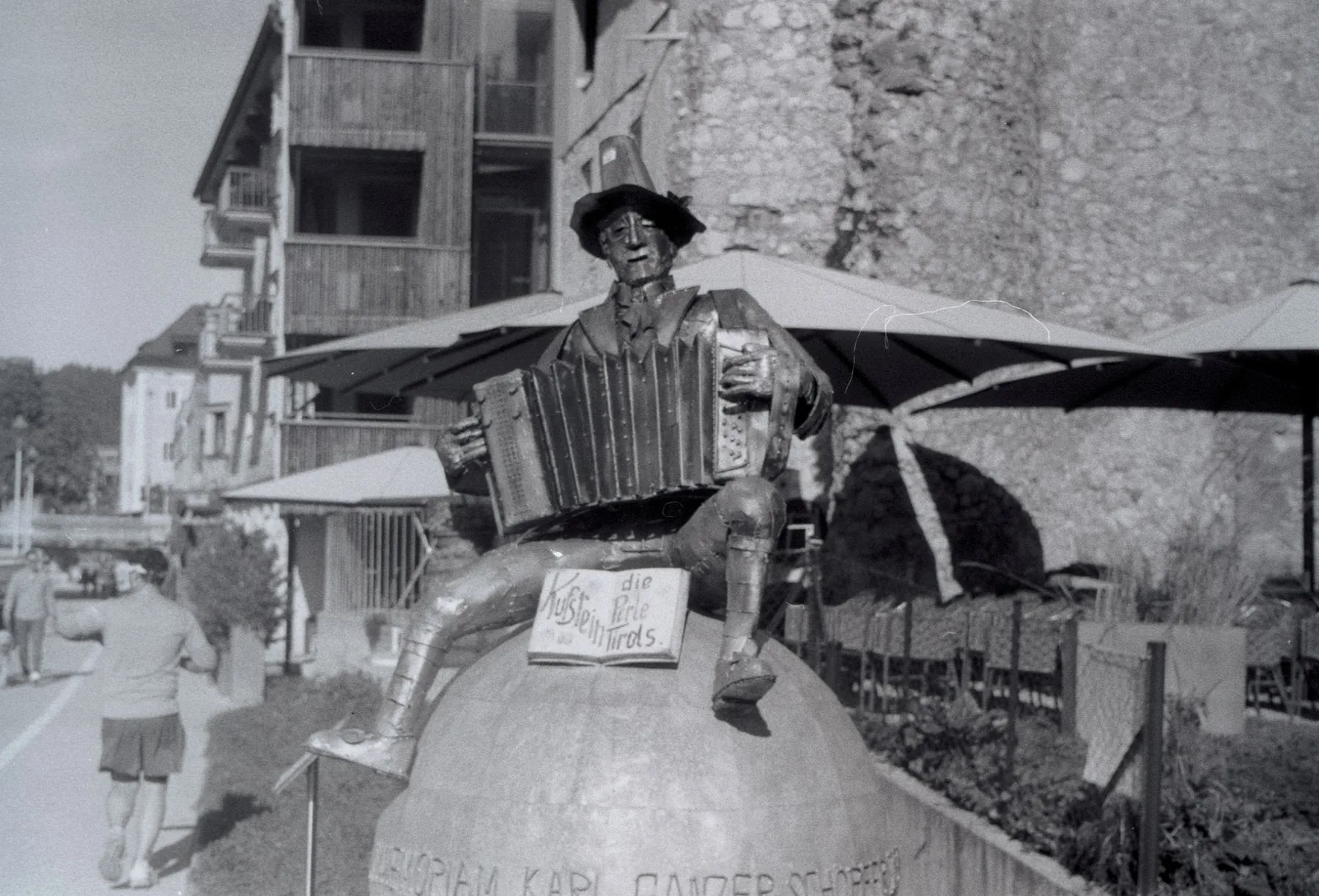
Today, the accordion continues to reinvent itself and attract new audiences. Young French musicians win international competitions, while music schools and conservatories open departments devoted specifically to the instrument. Lunchtime dances are making a strong comeback at guinguettes, where the accordion is once again appreciated for its lively rhythm and ability to create a festive atmosphere.
This iconic instrument of French popular music has helped preserve and renew the country’s musical heritage while playing an essential role in France’s cultural identity. It continues to captivate listeners around the world, thanks in part to the famous musicians who have brought it recognition and popularity.
| Famous accordionists | Associated musical styles |
|---|---|
| Yvette Horner | Musette waltz |
| Richard Galliano | Jazz, classical music |
The contemporary accordion: renewed popularity
The accordion is enjoying renewed popularity in contemporary music: young French musicians are winning international competitions, and music schools and conservatories are opening departments devoted to the instrument. These talented musicians have breathed new life into the accordion by exploring new musical directions and pushing the boundaries of this iconic instrument. They use its versatility to create distinctive melodies that blend musical genres and appeal to varied audiences.
In recent years, many internationally renowned competitions have showcased exceptional accordionists whose technique, virtuosity and creativity impress audiences. These young musicians are expanding the accordion’s possibilities and bringing it into modern ensembles, including jazz and rock bands. They also collaborate with established artists, helping the instrument gain international recognition.
To support this trend, more music schools and conservatories are opening departments devoted to accordion study. Young music enthusiasts can develop their skills and explore the instrument’s many facets. These initiatives train new talent who will help secure the accordion’s future in French music.
Renewed popularity at lunchtime dances
Another sign of the accordion’s renewed popularity is the return of lunchtime dances to guinguettes. These landmarks of French culture long hosted accordion orchestras, offering visitors a festive, welcoming atmosphere. Guinguettes became popular gathering places for lovers of popular music and dance. The accordion is once again prized there for its lively rhythm and its ability to get crowds dancing.
In conclusion, the accordion is enjoying a genuine resurgence in contemporary music. Thanks to the boldness and talent of young French musicians, this iconic instrument is reclaiming its place on stages in France and abroad. Music schools and conservatories are also helping secure its future by training new talent. Finally, lunchtime dances at guinguettes show that the instrument is popular again and can bring people together through music and dance.
The accordion is a symbol of France’s musical heritage. It helps preserve musical traditions and has a place in French chanson and folk music. This versatile instrument has established itself in French popular music, bringing a distinctive sound to many genres.
Since its introduction to France in the 1920s by Italian immigrants and people from Auvergne, the accordion has evolved considerably. It gave rise to a new genre, the musette waltz, which became emblematic of French musical identity. The accordion also found a place in jazz and was associated with the Roaring Twenties and the Trente Glorieuses, France’s postwar period of prosperity and growth.
Over the years, the accordion has had its ups and downs. Anglo-American music and electric guitars overtook it in the 1950s, but enthusiasts continued to value it and keep its tradition alive. Famous musicians such as Yvette Horner and Richard Galliano helped restore the accordion’s standing by transcribing classical works for it and bringing it into styles as varied as rap, rock and contemporary French chanson.
| Accordion figures | Musical genre |
|---|---|
| Yvette Horner | Musette waltz |
| Richard Galliano | Jazz |
Today, the accordion continues to play an essential role in French popular music. Young French musicians win international competitions, while music schools and conservatories open departments dedicated to this iconic instrument. Lunchtime dances are returning to guinguettes, where the accordion is once again appreciated for its warm sound and its ability to create a festive atmosphere.
As a symbol of France’s musical heritage, the accordion continues to captivate listeners and shape the contemporary music scene. Its ties to musical traditions and French chanson make it an integral part of French musical culture.
Many famous musicians have played a key role in the accordion’s popularity, including Yvette Horner and Richard Galliano, who brought their own styles to the instrument and explored different genres. Nicknamed the “queen of the accordion,” Yvette Horner left her mark on French music with her energetic performances and virtuosity. She also helped broaden the accordion’s audience by appearing on popular television programmes and touring worldwide.
Richard Galliano is known for transforming accordion music by blending it with jazz and classical influences. His innovative style helped the accordion find a place in more contemporary genres and attract new listeners. Galliano has also collaborated with numerous international artists, extending the instrument’s reach.
Famous accordionists and their contributions
Beyond Yvette Horner and Richard Galliano, many other celebrated accordionists have left their mark on French music history. Marcel Azzola, with his elegant playing and technical mastery, performed alongside some of the biggest names in French chanson, while Gus Viseur was a pioneer of the musette waltz.
Musicians such as André Verchuren, Aimable and Jo Privat also popularised the accordion and helped keep the heritage of French popular music alive. Their passionate performances and dedication kept this iconic instrument at the forefront of the French music scene.
Today, many talented young accordionists follow in these legends’ footsteps, push the instrument’s boundaries and bring fresh musical perspectives. They continue to explore different genres and styles, sustaining the accordion’s popularity in French popular music.
| Accordionist | Genre | Contributions |
|---|---|---|
| Yvette Horner | Musette, popular entertainment | Popularised the accordion through lively performances and international tours |
| Richard Galliano | Jazz, classical music | Linked the accordion with jazz and classical music, expanding the instrument’s possibilities |
| Marcel Azzola | Musette, French chanson | Collaborated with leading French chanson artists, bringing elegance to accordion playing |
| Gus Viseur | Musette | Pioneered the musette waltz, helping it develop and gain popularity |
| André Verchuren | Musette | Preserved the heritage of French popular music through passionate performances |
| Aimable | Musette | Popularised the accordion through recordings and performances |
| Jo Privat | Musette | Explored different musical styles and contributed to the French music scene |
Conclusion
The accordion remains a powerful cultural symbol in French popular music. It helps preserve musical heritage and shapes the contemporary music scene. Also called the “squeeze box” or the “piano with straps,” the instrument played a central role at public celebrations, fairs and fêtes during the first half of the 20th century. Introduced to France in the 1920s by Italian immigrants and people from Auvergne, the accordion gave rise to a new genre called the musette waltz.
Over the years, the accordion has had its ups and downs. Anglo-American music and electric guitars overtook it in the 1950s, but enthusiasts continued to maintain its tradition at competitions, festivals and dances. Figures such as Yvette Horner and Richard Galliano helped restore its standing by transcribing classical works for the instrument and bringing it into styles such as rap, rock and French chanson.
Today, young French musicians win international competitions, music schools and conservatories open accordion departments, and lunchtime dances return to guinguettes. The accordion is no longer regarded as old-fashioned and continues to shape the French music scene.
The accordion remains a powerful cultural symbol in French popular music. It helps preserve musical heritage and shapes the contemporary music scene. Thanks to its rich history and continuing adaptation to new musical styles, the accordion remains an iconic instrument of French culture and continues to captivate musicians and audiences worldwide.
FAQ
Why is the accordion important in French popular music?
The accordion is an important cultural symbol in French popular music. It played a central role at public celebrations, fairs and fêtes during the first half of the 20th century.
How was the accordion introduced to France?
The accordion was introduced to France in the 1920s by Italian immigrants and people from Auvergne.
Which musical genre is associated with the accordion?
The accordion gave rise to a new genre called the musette waltz.
Was the accordion overtaken by other instruments?
Yes. In the 1950s, Anglo-American music and electric guitars overtook the accordion.
How did the accordion regain popularity?
Enthusiasts preserved and revived the accordion through competitions, festivals and dances. Famous musicians such as Yvette Horner and Richard Galliano also helped restore its standing by bringing it into different musical styles.
What is the accordion’s place in music today?
Young French musicians win international competitions, music schools and conservatories open accordion departments, and lunchtime dances return to guinguettes. The accordion is appreciated again and continues to shape the French music scene.