
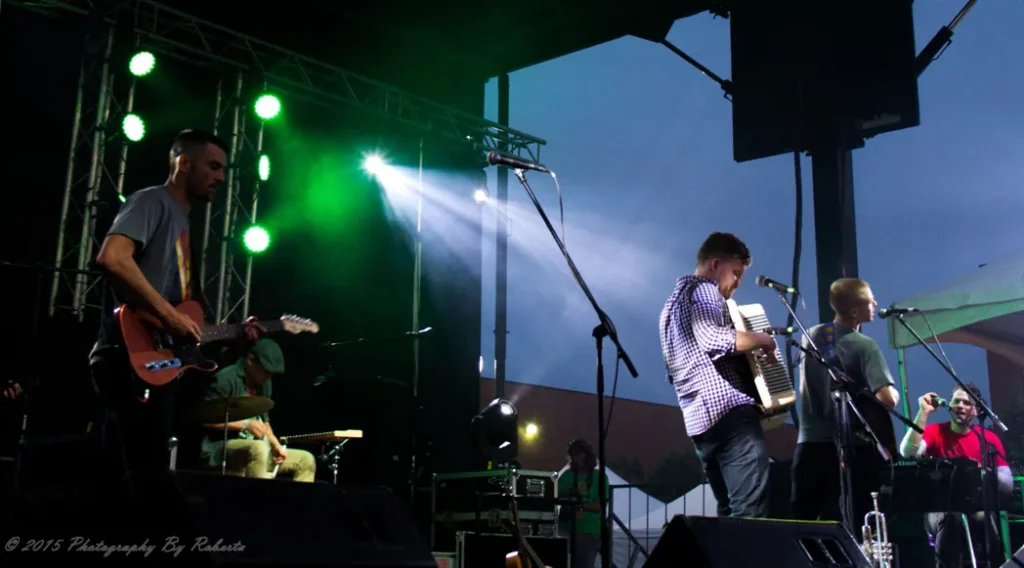
André Verchuren, born on December 28, 1920, in Neuilly-sous-Clermont, left his mark on the history of French music. At the age of four, he began playing the accordion under the guidance of his father, an accomplished musician. Nicknamed “Verchu,” the young prodigy won the hearts of millions through his performances.
With more than 70 million records sold, he became the world’s most famous accordionist. His path was marked by success and hardship, particularly during the Second World War. He drew on those experiences to become an icon of musette dance music.
In this article, we explore his life, his early beginnings and his rise in the music world.
Whether you love the accordion or are simply curious, this biography offers a look at an artist who made all of France dance.
1. Family origins and first steps with the accordion
André Verchuren was born on December 28, 1920, in Neuilly-sous-Clermont. His family came from Knesselare, Belgium, and music was central to his upbringing. A love of the accordion passed from one generation to the next: his grandfather, Petrus Verschuere, was already a respected accordionist.
Birth and family musical heritage
André’s father, Raymond Verschuere, was a talented professional accordionist. He met Marie-Clémence Massez, a seamstress from Uny-Saint-Georges, and they started a family. Music became a household tradition, immersing André in it from an early age.
Learning the accordion as a child
At four, André began learning the accordion under his father’s watchful eye. Raymond taught him the instrument’s basic techniques. Their bond played an essential part in André’s first steps as a musician.
His first dance and first paid performance at age six
At just six, André received his first fee for playing at a dance in Ponchon. Accompanied by his mother on drums, he earned 11.50 francs for the performance. It was a turning point: he discovered what it meant to play on stage for an audience.
His father’s accordion school and his first lessons
By the age of 12, André was teaching at the accordion school founded by his father. With 180 pupils, the school was a place to learn and share music. André developed his teaching skills while refining his accordion technique. Despite working other jobs, including as a laborer and a café waiter, he never lost his passion for music and musette dances.
André Verchuren’s life combined family heritage, passion and dedication. Every dance he played, every lesson he taught and every note he performed helped shape him as an accordionist. These early experiences laid the foundation for his career.
| Age | Event | Fee |
|---|---|---|
| 4 years old | Began learning the accordion | Not applicable |
| 6 years old | First dance in Ponchon | 11.50 francs |
| 12 years old | Began teaching accordion | Not applicable |
To learn more about the artist and his music, see this resource.
2. Musical training, wartime service and hardship
André Verchuren deepened his musical training to make his mark internationally. After mastering the basics of the accordion, he studied music theory and harmony. This gave him a strong theoretical foundation and prepared him for prestigious competitions.
Music theory, harmony and his first international competitions
In 1935, André Verchuren won first prize at a competition in Brussels, followed by first prize in Paris. These successes brought him recognition as an accordionist and quickly set him apart from his peers.
World accordion champion in 1936: a young prodigy
At just 16, he became world accordion champion in Soignies, Belgium. At the competition, he played the overture from Saltimbanques standing up, defying the conventions of the day. The bold performance earned him an ovation from the audience and judges.
King Leopold III of Belgium presented him with the title. The victory opened the door to an international career and strengthened his resolve to pursue music.
Resistance work and deportation to Dachau
When war broke out, André Verchuren joined the Resistance. He risked his life helping Allied airmen hide. In June 1944, he was denounced, arrested by the Gestapo and deported to Dachau.
On July 2, 1944, he left on the convoy known as the “Death Train,” which carried 2,566 prisoners. Only 1,630 survived the journey. During his imprisonment, he was assigned to the crematoria, a traumatic experience that stayed with him for the rest of his life.
Returning home and rebuilding his life after the Second World War
After 13 months in captivity, he was freed in August 1945. Returning to ordinary life was difficult: it took him years to regain the agility in his fingers. Despite his ordeal, he resumed playing at dances and teaching accordion to many pupils.
“Music is my life,” he often said, expressing his devotion to his art. Each lesson and performance became a step in his personal and artistic recovery.
3. André Verchuren’s rise to fame: an exceptional career
Several decisive events shaped André Verchuren’s career. In 1950, he made his radio debut on “Swing contre Musette” on Radio Luxembourg. His friend Tony Murena, convinced of his talent, signed him up for an audition. It proved to be a turning point.
The program soon became a springboard, introducing him to millions of listeners. In spring 1951, he performed at the Moulin Rouge, where he faced a renowned jazz orchestra. He won the contest before an audience of 10 million listeners, cementing his reputation.
His first recordings for DECCA, his original record label, opened the doors to major radio stations. He recorded his first 78 rpm records and his first 45 rpm record before moving to the FESTIVAL label. In October 1956, he became the first accordionist to appear as a featured supporting act at the Olympia in Paris. He remained on the bill for three weeks, helping establish musette as music for the concert stage.
In 1961, his song “Les Fiancés d’Auvergne” sold more than 10 million copies and stayed at number one on the charts for 11 months. The achievement added to his legend. Over his career, he sold more than 70 million records, an unprecedented total for an accordionist.
He received numerous honors, including a prize from the Académie Charles Cros, the SNCF Lampiste Prize and SACEM’s Grand Prix de la Musique Instrumentale de Variétés. He also built a film career, appearing alongside figures such as François Périer and Line Renaud.
For 30 years, he hosted his own radio programs, first on RTL and then on Europe 1. In 1968, he led the dance celebrating the launch of the ocean liner France in the presence of General de Gaulle. The event reflected his standing in music and entertainment.
To learn more about the artist and his recordings, see this resource.
4. Personal life, stories and cultural legacy
André Verchuren married twice. His first marriage, to Mireille Roux in 1946, ended in divorce in 1950. In 1953, he married Micheline Butot. They had two sons, Harry Williams and André Verchuren Junior.
He named his elder son Harry after an American paratrooper he had helped during the war, a tribute to one of his wartime comrades.
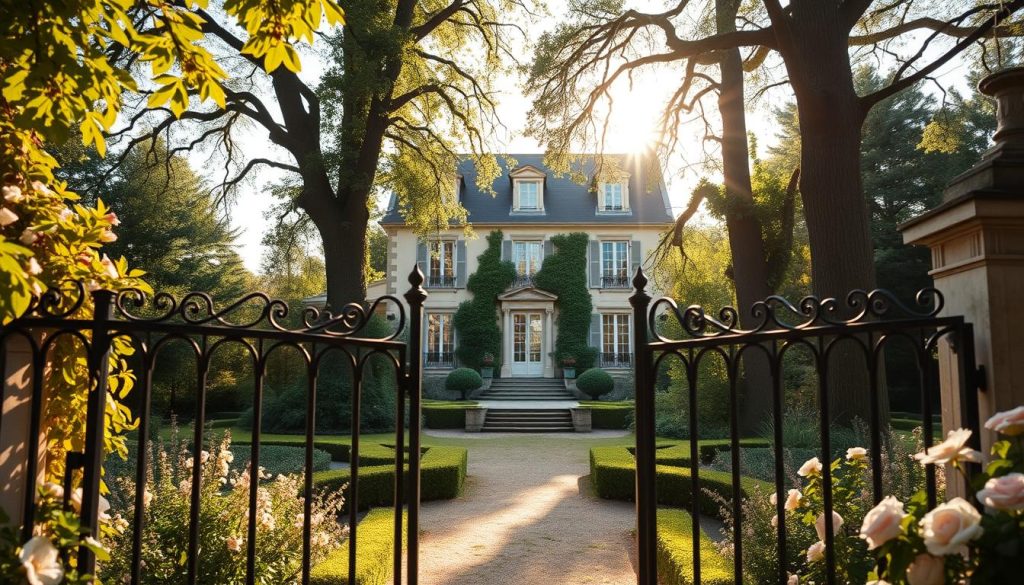
André Verchuren lived in a stone house in Chantilly, bought with royalties from “Les Fiancés d’Auvergne.” Surrounded by a garden with a fishpond, it was a peaceful retreat for him. In the basement, he had a screening room where he watched his favorite films, especially westerns and war films. He also had a workshop for the sound equipment he used at his shows.
A tragic accident in 1974
On April 24, 1974, tragedy struck the Verchuren family. André was involved in a serious road accident in Normandy. His wife Micheline died, and his son André Junior was injured. André, who suffered minor injuries, received a three-month suspended prison sentence for involuntary manslaughter. The accident forced him to suspend his musical activities for several months.
A few months later, he returned to the stage with the support of his friend Émile Decotty, who had filled in for him in the orchestra during his recovery.
His relationship with audiences and the pace of touring
André Verchuren kept a demanding schedule. He traveled across France to play between 100 and 150 dances a year, covering nearly 100,000 kilometers annually in summer and winter alike. His performances were often booked three years in advance, a sign of his popularity. Over his career, he made more than 40 million people dance and traveled seven million kilometers by car and one million by plane.
On September 14, 2003, he returned to the Olympia in Paris to celebrate his 10,000th show. He also marked the sale of more than 60 million records.
Publications and cultural legacy
In 1968, he published his memoir, Mon Accordéon et Moi, written with his friend Lucien Millot. The book recounts key moments in his life and career.
His honors included the Legion of Honour, awarded in 1997, and the rank of Commander of the National Order of Merit, received in 2006. André Verchuren died of cardiac arrest on July 10, 2013, aged 92. A large crowd gathered to pay tribute at his funeral on July 17, 2013.
To discover more about his life and legacy, visit this site.
5. Conclusion: the legacy of a French accordion and popular music legend
André Verchuren left a remarkable musical legacy. With more than 70 million records sold, he remains the world’s best-known accordionist. His achievements reflect a career spanning more than 80 years.
He recorded 777 albums and gave more than 10,000 shows, making over 40 million people dance. His death on July 10, 2013, prompted an outpouring of emotion in France.
André Verchuren is buried in Chantilly’s Bourillon Cemetery alongside his wife and parents. His official website and other platforms continue to celebrate his contribution to music and inspire new generations.
His career stands as a testament to the talent and passion that gave him an enduring place in the history of French popular music.