
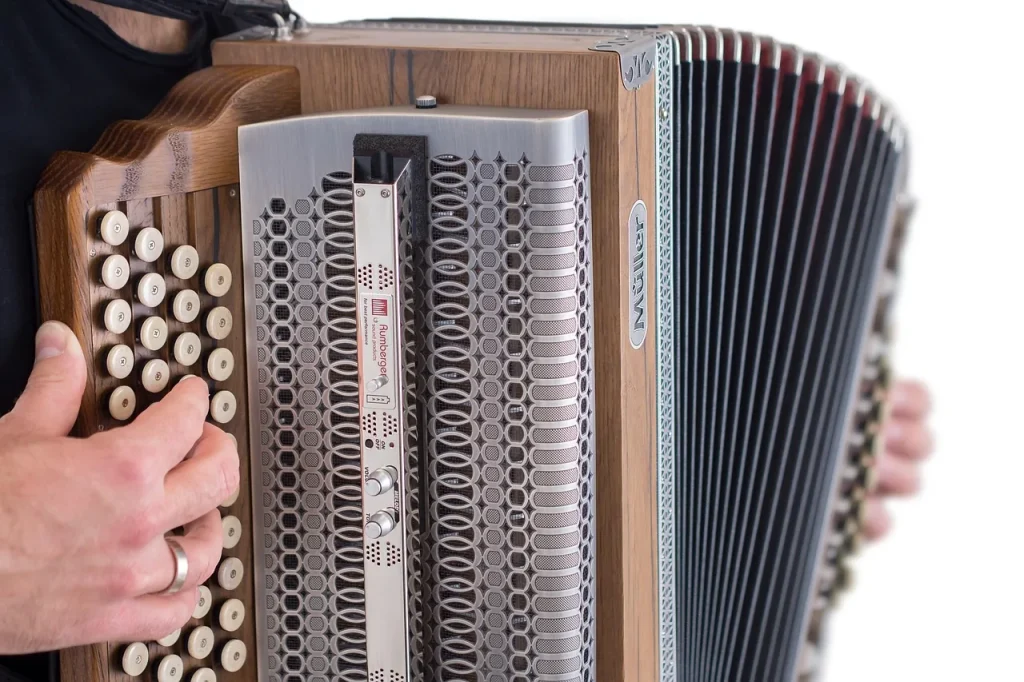
The accordion was long considered an instrument of musette dance music, but since the beginning of the 21st century it has become increasingly prominent in classical music.
It has long had a place in classical music, particularly in 19th-century bourgeois salons, where it was used to play opera tunes. However, the instrument fell out of fashion after Napoleon III abdicated in 1870.
It was not until the 1980s and 1990s that the accordion regained its place in classical music. This revival gathered pace in the 21st century as contemporary composers became interested in its potential.
Accordionists can play a vast repertoire, from Baroque to contemporary music, although the Romantic repertoire presents some difficulties. The accordion is considered an instrument of memory, evoking a nostalgic past while remaining modern and popular.
It is often called a “Swiss Army knife” because it adapts to every style and blends harmoniously with other instruments.
A place in classical music since the 19th century
The accordion has long had a place in classical music, particularly in 19th-century bourgeois salons, where it was used to play opera tunes. Originally associated with traditional and popular music, this musical instrument found a place in the classical repertoire, bringing a distinctive sound and expressive dimension to compositions.
During this period, the accordion was considered a versatile instrument, capable of producing a wide range of sounds and expressing many emotions. Accordionists were admired for their skill in performing complex melodies and ornate arrangements, adding a touch of virtuosity to classical music.
“The accordion is an instrument of great musical richness. It offers a diverse palette of sounds, from soft, melancholy tones to lively, rhythmic accents. It is a true jewel of classical music.” — Pierre Martin, renowned accordionist.
Over time, the accordion became an integral part of the classical repertoire, suited to Romantic, Baroque and contemporary compositions. Accordionists are talented performers who can capture the essence of each musical period through their command of the instrument.

The popularity of the accordion in classical music continues to grow, attracting more and more musicians and composers. Its leading role in original interpretations and the fusion of styles gives it a unique place in contemporary musical diversity.
Classical repertoire for accordionists
| Period | Composer | Work |
|---|---|---|
| Baroque | Johann Sebastian Bach | Prelude and Fugue in C Major |
| Romantic | Astor Piazzolla | Libertango |
| Contemporary | Sofia Gubaidulina | De profundis |
The accordion, often called the “Swiss Army knife” of music, continues to amaze with its ability to adapt to every musical style and blend harmoniously with other instruments. Its presence in classical music is a treasure waiting to be discovered.
A revival in the 21st century
However, the instrument fell out of fashion after Napoleon III abdicated in 1870. It was not until the 1980s and 1990s that the accordion regained its place in classical music. This revival gathered pace in the 21st century as contemporary composers became interested in its potential.
Accordionists have rediscovered and reinvented an instrument once considered outdated. Through original interpretations and a fusion of styles, the accordion has become a powerful means of expression for contemporary musicians. Its versatility and ability to adapt to different musical genres make it a popular choice among composers and performers.
The musical diversity offered by the accordion in classical music is immense. From innovative contemporary pieces to arrangements of classical works, the accordion is attracting growing interest in the world of contemporary music. Composers explore the instrument’s unique sounds and create new works that showcase its musical diversity.
| Advantages of the accordion in classical music | Examples |
|---|---|
| Musical diversity | Performing Bach and Mozart on the accordion |
| Original interpretation | Creating new contemporary works |
| Fusion of styles | Including the accordion in compositions that blend classical music and folk traditions |
Thanks to its original interpretations, fusion of styles and musical diversity, the accordion has become a true jewel of contemporary music. Its revival in classical music opens up new possibilities for exploring sound and creating art. Once considered an instrument of musette dance music, the accordion is now recognized as a versatile, modern instrument that can adapt to every style and engage 21st-century listeners.
A varied and adaptable repertoire
Accordionists can play a vast repertoire, from Baroque to contemporary music, although the Romantic repertoire presents some difficulties. The accordion is considered an instrument of memory, evoking a nostalgic past while remaining modern and popular. It is often called a “Swiss Army knife” because it adapts to every style and blends harmoniously with other instruments.
The accordion offers performers great versatility, allowing them to explore different musical genres while retaining its distinctive sound. From the classical repertoire to contemporary works and traditional music, the accordion has become a musical chameleon, capable of performing many styles with virtuosity and emotion.
In the classical repertoire, the accordion can perform works by renowned composers such as Johann Sebastian Bach, Astor Piazzolla and Richard Galliano. It can also venture into contemporary compositions, pushing the boundaries of musical expression. With its unique combination of keyboard, buttons and bellows, the accordion produces rich, expressive sounds that add a distinctive dimension to every performance.
| Era | Composers | Examples of works |
|---|---|---|
| Baroque | Johann Sebastian Bach | Prelude in C Major, BWV 846 |
| Romantic | Richard Galliano | Tango pour Claude |
| Contemporary | Astor Piazzolla | Libertango |
To perform the Romantic repertoire, accordionists must overcome technical challenges arising from these works’ complexity and emotional depth. Their delicate nuances and melodic phrasing require precise command of the instrument to convey the full emotional intensity intended by the composer.
The accordion is a true jewel of classical music, offering endless musical diversity. From Baroque minuets to Romantic waltzes and bold contemporary compositions, this versatile instrument continues to amaze and captivate audiences around the world. Accordionists, masters of this musical “Swiss Army knife,” will continue to surprise listeners with their ability to honor the great works of the past while opening new paths for the future of classical music.

- Piazzolla, A. (1974). Libertango. [Sound recording]
- Galliano, R. (1994). Tango pour Claude. Spleen.
- Bach, J. S. (1722). Prelude in C Major, BWV 846. The Well-Tempered Clavier, Book I.
The accordion’s musical diversity
The accordion in classical music is not confined to one genre: it can feature in a wide range of compositions, including contemporary works. This versatile instrument has gained a prominent place in contemporary music thanks to its unique sound and its ability to combine different musical styles. From Baroque to contemporary music, the accordion offers a rich and varied palette of sounds that delights listeners.
Contemporary composers explore the accordion’s musical possibilities, creating new works that reflect the diversity of modern classical music. The instrument often plays a central role in these compositions, lending them a distinctive and original sound. Accordionists are increasingly called upon to perform these contemporary works and play an active part in creating new music.
It is an instrument that has reinvented itself over time, blended with other instruments and brought a touch of authenticity to contemporary classical music.
The accordion’s musical diversity is also evident in its ability to adapt to different musical styles. It finds a natural place in classical compositions, arrangements of traditional music and explorations of new sounds. Its warm, expressive tone conveys the full emotional richness of classical music.
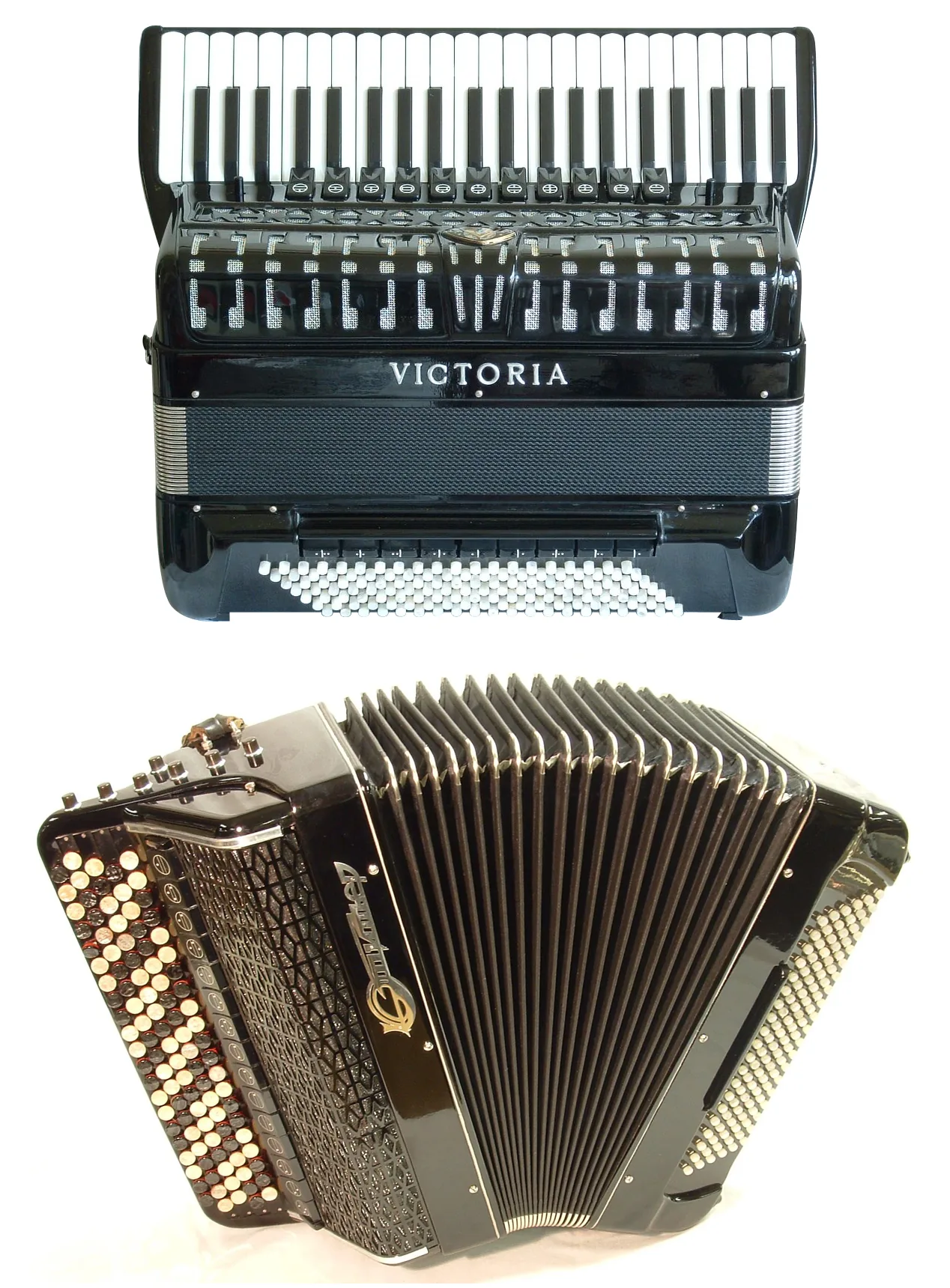
Table: musical genres featuring the accordion in classical music
| Musical genre | Description |
|---|---|
| Baroque music | The accordion can be used in arrangements of Baroque pieces, adding a fresh and original dimension to these classical compositions. |
| Romantic music | The accordion’s button keyboard can sometimes present technical challenges when performing the Romantic repertoire, but its unique tone can lend these pieces a moving interpretation. |
| Contemporary music | The accordion is often at the heart of contemporary compositions, allowing composers to explore new musical languages and create bold, innovative works. |
The accordion in classical music is a hidden jewel worth discovering. Its unexpected presence and musical diversity make it a fascinating instrument that continues to delight classical music lovers around the world.
Conclusion
The accordion has an unexpected presence in classical music, one that has grown as the instrument has evolved and contemporary composers have taken an interest in it. Long considered an instrument of musette dance music, the accordion found a place in 19th-century bourgeois salons, where it accompanied opera melodies. However, it fell out of fashion after Napoleon III abdicated in 1870.
It was not until the 1980s and 1990s that the accordion regained its place in classical music. Since the beginning of the 21st century, its popularity has continued to grow as contemporary composers have explored its unique potential. Accordionists can now explore a vast repertoire, from Baroque to contemporary music, although the Romantic repertoire can present some technical difficulties.
The accordion is often called the “Swiss Army knife” of music because it adapts to every style and blends with other instruments. It is considered an instrument of memory, capable of evoking a nostalgic past while remaining modern and popular. Its musical diversity and ability to combine different styles make it a valuable asset to contemporary classical music.
FAQ
Is the accordion considered a classical musical instrument?
Yes. Since the beginning of the 21st century, the accordion has become increasingly prominent in classical music.
What place did the accordion have in 19th-century classical music?
It was played in bourgeois salons and used for opera tunes.
When did the accordion experience a revival in classical music?
The accordion’s revival in classical music began in the 1980s and 1990s and gathered pace in the 21st century as contemporary composers became interested in it.
What classical repertoire can be played on the accordion?
Accordionists can play a vast repertoire, from Baroque to contemporary music, although the Romantic repertoire presents some difficulties.
With which musical styles does the accordion blend harmoniously?
The accordion is considered a “Swiss Army knife” because it adapts to every style and blends harmoniously with other instruments.